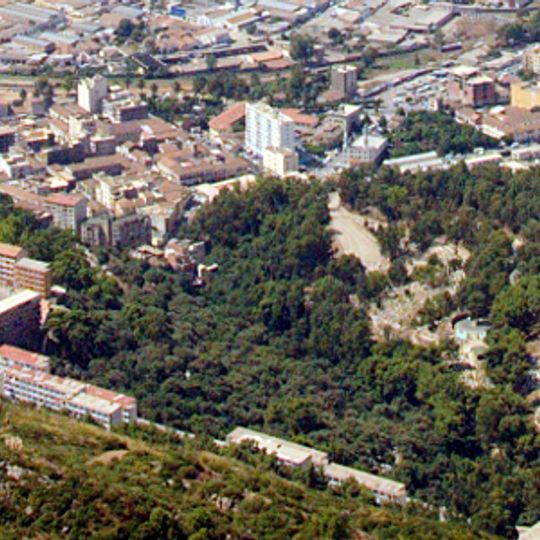
Béjaïa, Mediterranean port city in northern Algeria.
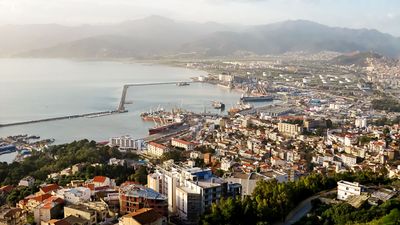
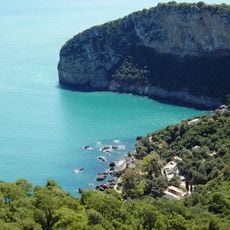
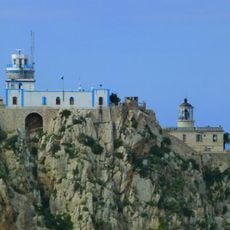
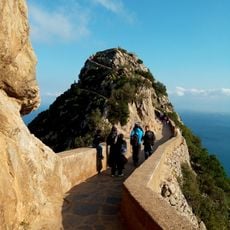
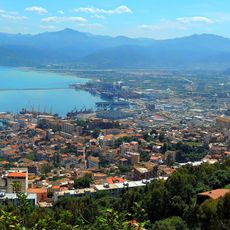
Béjaïa is a port on the Mediterranean coast of northern Algeria, spreading along a crescent bay sheltered by Cape Carbon and backed by Mount Gouraya, which rises 660 meters above sea level. Streets climb the slopes in terraces, while the harbor basin anchors the lower town with its denser web of lanes and markets.
Augustus founded the settlement as Saldae to secure the coastline, while the Hammadids built it into a major center for trade and learning during the 11th century. The emirate drew merchants from across the Mediterranean and linked North African routes to European ports.
The word bougie for wax candles comes from this port, which shipped fine wax products across medieval Europe. That trade link shaped European languages and still reminds visitors of the city's former role as a goods hub.
The oil pipeline terminal from Hassi Messaoud makes this one of the main petroleum export ports in the western Mediterranean, so tankers regularly use the outer anchorages. Visitors often notice the large cranes and storage tanks that mark the industrial zone east of the older quarters.
The Italian mathematician Fibonacci learned the Hindu-Arabic numeral system here, later bringing it into European mathematics through his writings. His time in this trading city allowed him to gather eastern knowledge about calculation methods and carry them back to Italy.
The community of curious travelers
AroundUs brings together thousands of curated places, local tips, and hidden gems, enriched daily by 90,775 contributors worldwide.