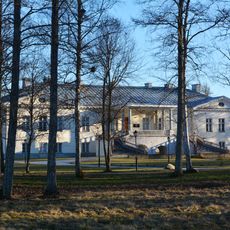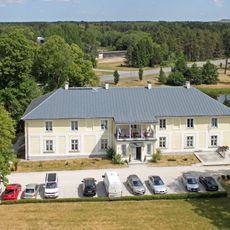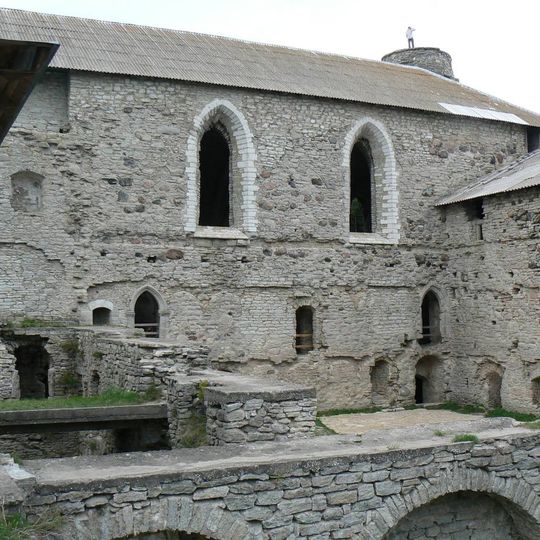
Padise Abbey, Medieval Cistercian monastery in Padise, Estonia
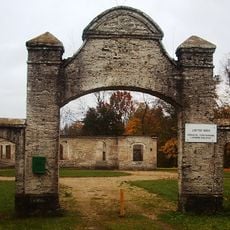
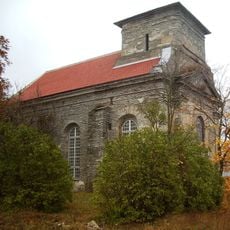
Padise Abbey is a stone monastery complex with ruins of a church, cloisters, and walls that divide several courtyards throughout the site. The remains reveal a substantial structure that once included defensive fortifications surrounding the religious community.
The monastery was founded in 1310 by monks from a neighboring monastic community who sought to establish a Cistercian presence in Estonia. The complex suffered severe destruction and attacks during regional upheavals in the 14th century.
The abbey served as a major spiritual center that shaped religious life in the region for many centuries. Today, visitors experience the site as a place for reflection and also as a venue for musical performances within the medieval stone halls.
The site is accessible from May through September on most days, allowing visitors to walk freely around the ruins and view them from different angles. Sturdy footwear and appropriate clothing are recommended since pathways cross uneven stone terrain.
The complex featured an engineered water system using a moat connected to a pond that served both for defense and daily water supply. This ingenious solution shows how the monks harnessed water to fulfill multiple practical needs.
The community of curious travelers
AroundUs brings together thousands of curated places, local tips, and hidden gems, enriched daily by 92,397 contributors worldwide.