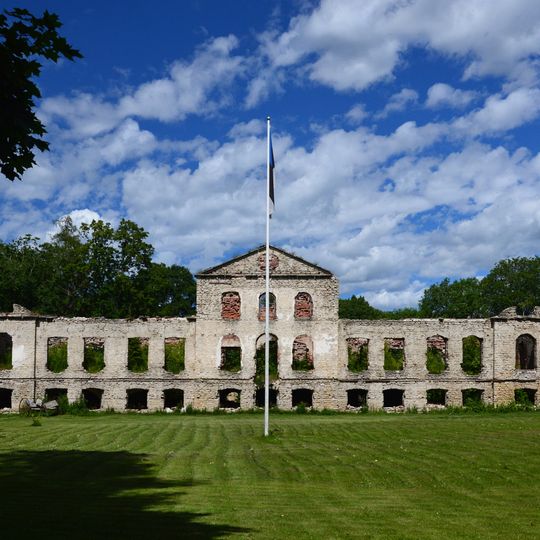
Keava Manor, historical manorial estate in Estonia
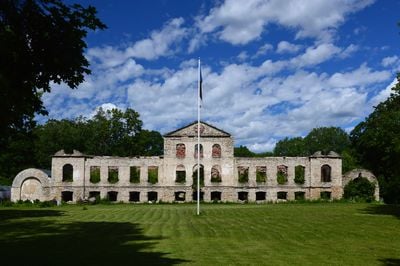
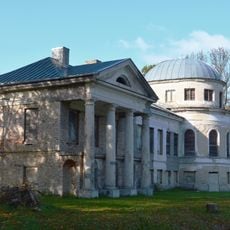
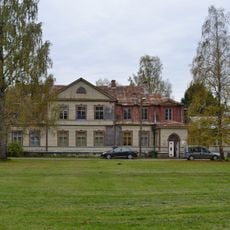
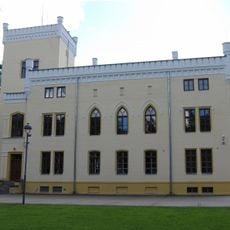
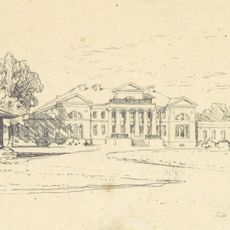
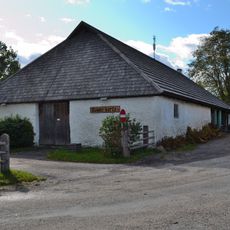
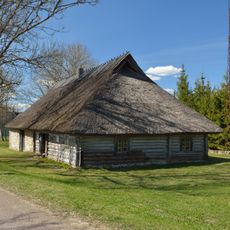
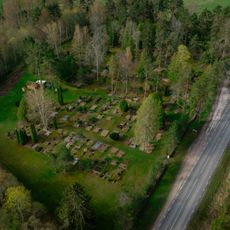
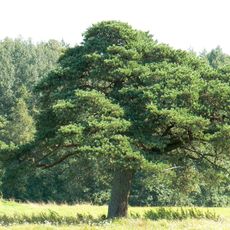
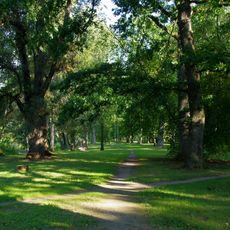
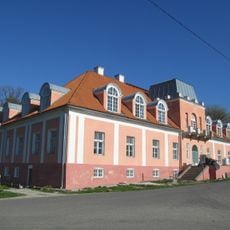
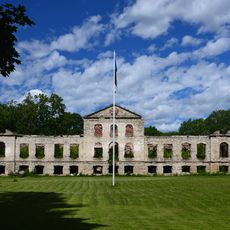
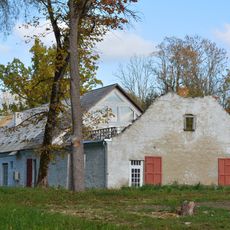
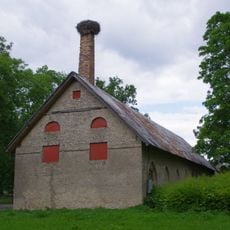
Keava Manor is a large estate in Harjumaa with ruins of its main building, constructed around 1780 in Early Classical style. The grounds contain old walls, trees, and open fields that reveal the layout of what was once a substantial noble residence with space for gardens and agricultural use.
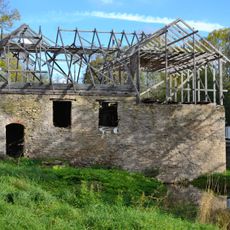
The estate was first recorded in documents in 1480 and passed through noble families including the von Staals and von Rosens over subsequent centuries. A fire severely damaged the main building in 1905, and later restoration attempts in the 1950s were followed by further damage that left it in its current ruined state.
The name Keava comes from local Estonian tradition and reflects the estate's role as a center of rural community life. For generations, this place served as a gathering point for local events and meetings, shaping how people in the area lived and connected with one another.
The site is accessible by car with nearby parking options, though its rural setting means there are no cafes or shops on the grounds. The old walls and structures may be unstable in places, especially after heavy rain or wind, so visitors should take care when exploring the ruins.
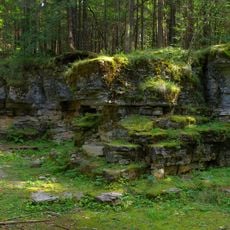
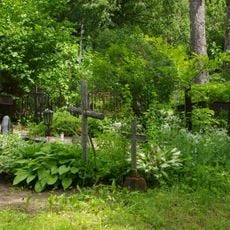
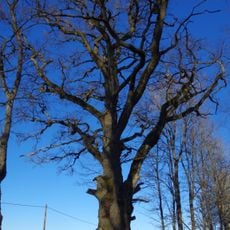
Nature has gradually reclaimed the structures, with trees and plants growing through the old stonework, creating a blend of history and wilderness that is rarely seen at restored historic sites. This slow return of the earth to the ruins gives the place a distinct quality that sets it apart from more manicured heritage locations.
The community of curious travelers
AroundUs brings together thousands of curated places, local tips, and hidden gems, enriched daily by 91,726 contributors worldwide.