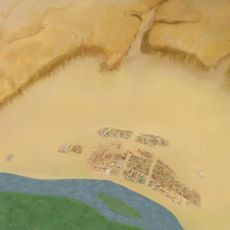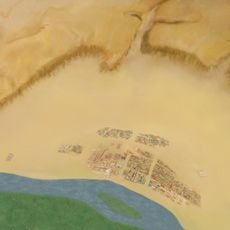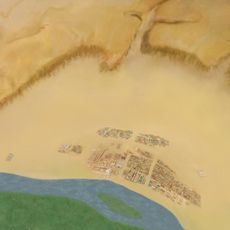
Kom el-Nana, Archaeological site near Akhet-Aten, Egypt
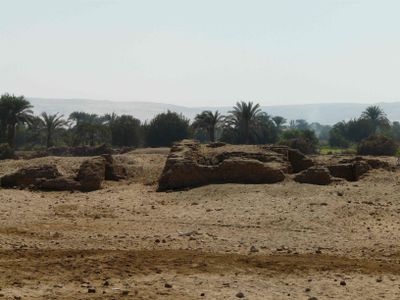
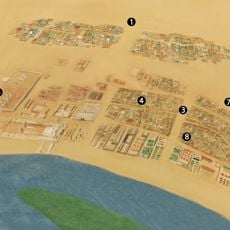
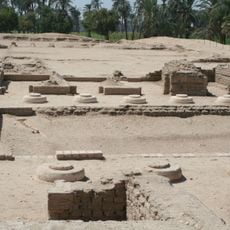
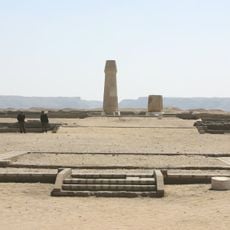
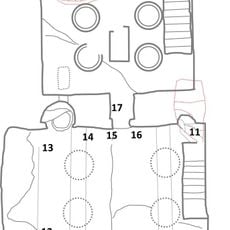
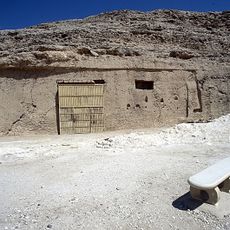
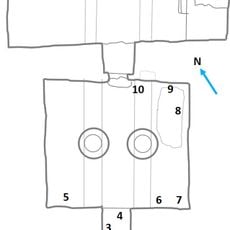
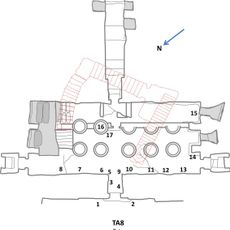
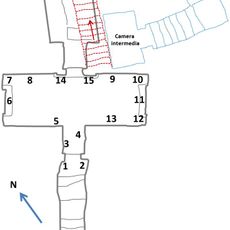
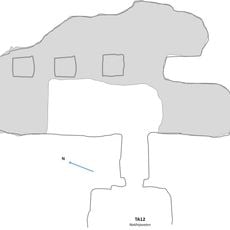
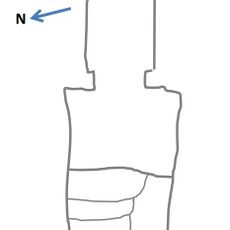
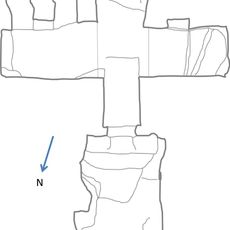
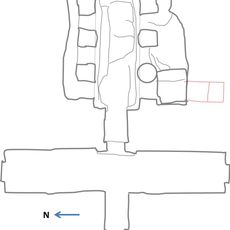
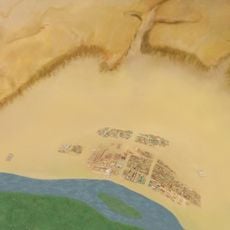
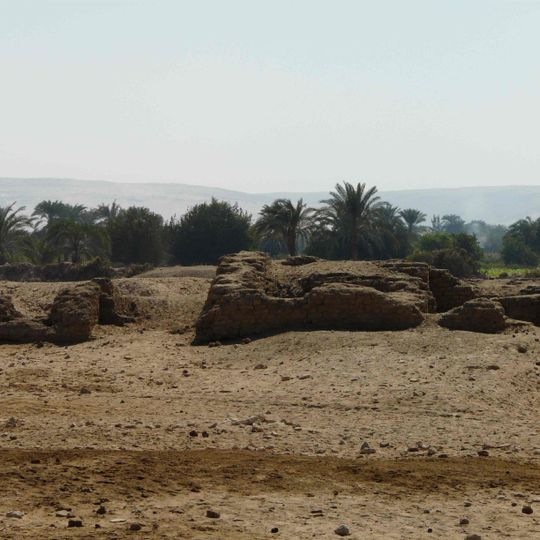
Kom el-Nana is an archaeological site near Akhet-Aten with a brick enclosure measuring 228 by 213 meters (748 by 699 feet), divided into two sections by an east-west wall. Pylon gates stand on all four outer walls, while the southern section contains a stone-floored pylon, a rectangular pavilion with sunken gardens, and a central platform featuring a columned hall with a stepped dais.
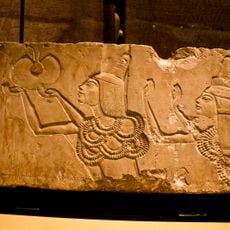
Excavations between 1988 and 2000 led by Barry Kemp revealed remains of a stone temple from the Amarna period with associated buildings such as a bakery and brewery. These discoveries provided insight into settlement patterns and daily structures from this ancient era.
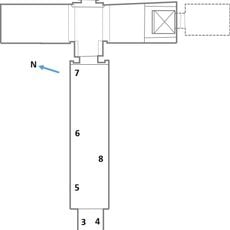
The place became a Christian monastery during the fifth and sixth centuries, with monks adapting the Egyptian temple structures and creating new spaces for worship. This transformation shows how sacred sites were repurposed and held meaning for different communities across centuries.
The site lies in an area vulnerable to agricultural expansion, so staying on marked paths helps protect the remains. Research organizations have documented and exposed the structures, making it easier for visitors to understand the layout and features.
The southern section hints at functions beyond religious ceremonies, as evidence of a bakery and brewery suggests the place also served as a supply center. These economic activities show that ancient temples were woven into people's daily lives.
The community of curious travelers
AroundUs brings together thousands of curated places, local tips, and hidden gems, enriched daily by 90,909 contributors worldwide.