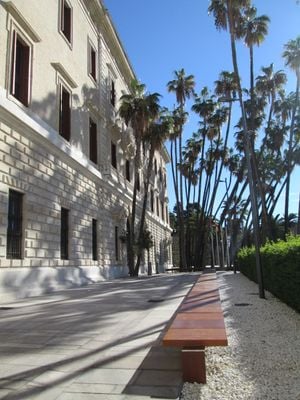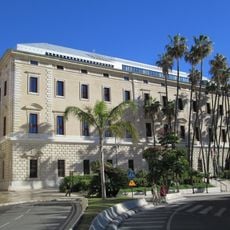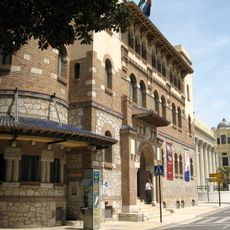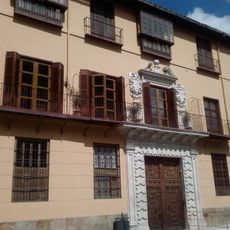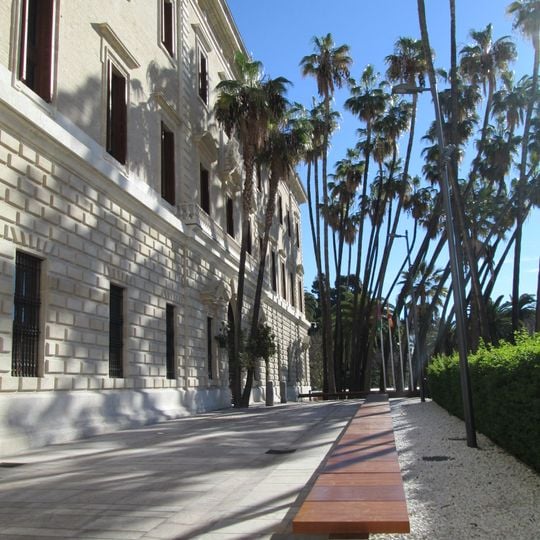
Palacio de la Aduana, Neoclassical museum in Málaga, Spain.
The Palacio de la Aduana is a neoclassical building organized around a large central courtyard, with covered corridors creating distinct zones on each level. The structure features columned porticoes on the lower floors and an open gallery above, providing varied spaces for displaying collections.
Construction began in 1791 under architect Manuel Martín Rodríguez to serve as a customs building for the city. The project faced interruptions during the French occupation of 1810 and continued across several decades before reaching completion.
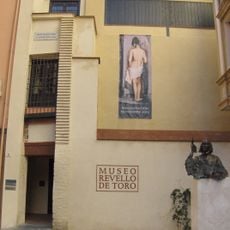
The Palacio de la Aduana now houses the Museum of Málaga, bringing together collections from two former museums in a single space where visitors encounter art and archaeology side by side. The building's architecture itself shapes the experience, as galleries around the central courtyard create a sense of order and harmony that fits the neoclassical style.
The museum is located near the port area and accessible on foot from the city center, with ramps and elevators making navigation straightforward throughout the interior. The central courtyard serves as a natural gathering point, and since collections spread across multiple levels, visitors should allow time to explore at their own pace.
A major fire in 1922 caused significant damage to the structure and destroyed many of the archives stored inside. This event is part of the building's story and explains why renovation and conversion into a museum represented an important recovery of the site.
The community of curious travelers
AroundUs brings together thousands of curated places, local tips, and hidden gems, enriched daily by 60,000 contributors worldwide.