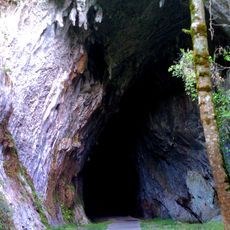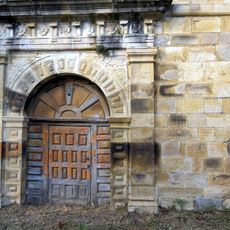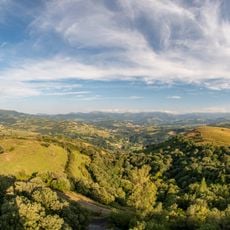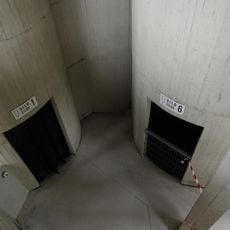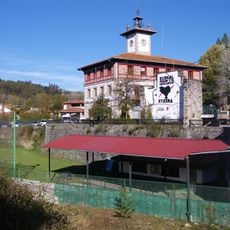
Cueva de Pozalagua, Natural cave formation in Karrantza Harana, Spain.
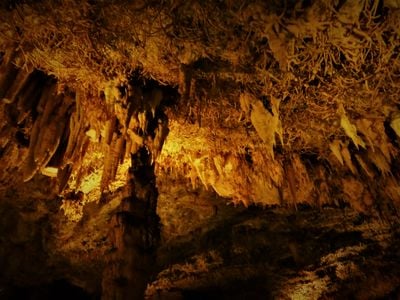
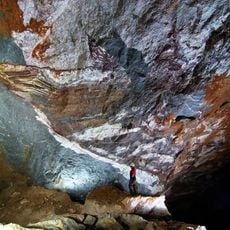
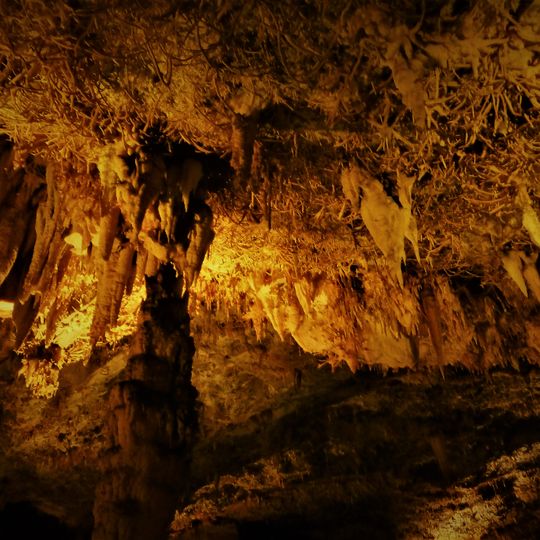
Cueva de Pozalagua is a natural cave consisting of a single chamber with dimensions of 125 meters in length, 70 meters in width, and 12 meters in height. Inside, unusual stalactite formations branch out in multiple directions, creating an otherworldly geological display throughout the space.
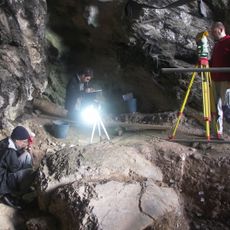
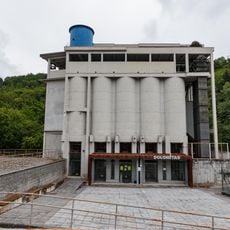
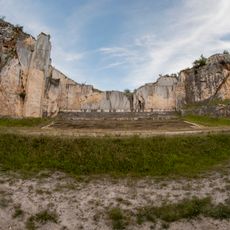
The cave was discovered on December 28, 1957, when workers detonated explosives at a dolomite quarry and unexpectedly opened a passage to this sealed underground chamber. This accidental discovery during industrial work revealed a geological world that had been shaped long before human activity in the area.
The cave belongs to a network of seven Basque caves called Lurpea, which together promote underground exploration across the region. This connection makes it part of a larger story about how local communities value and share their natural heritage.
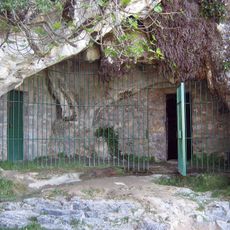
Access to the cave is only possible through guided tours organized by the site operators on a regular basis. It is advisable to check available tour times in advance to plan your visit accordingly.
The Versalles Room stands out for containing one of the world's largest collections of eccentric stalactites, formations that perplex many visitors. These mineral deposits grow in unpredictable directions, defying the typical downward patterns usually seen in caves elsewhere.
The community of curious travelers
AroundUs brings together thousands of curated places, local tips, and hidden gems, enriched daily by 92,586 contributors worldwide.