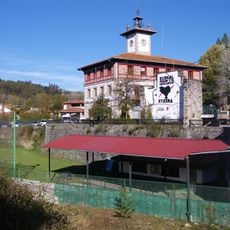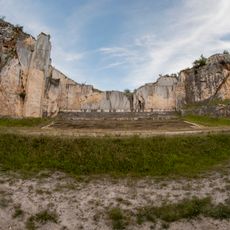
El Mirón Cave, Archaeological cave in Ramales de la Victoria, Spain.
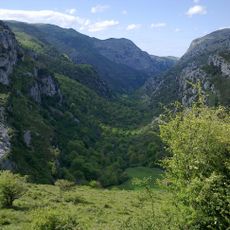
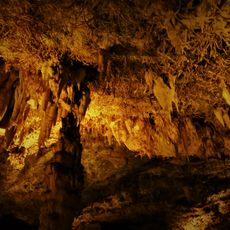
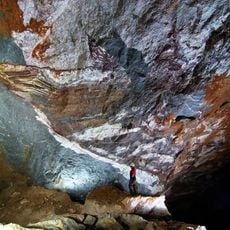
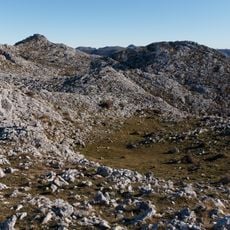
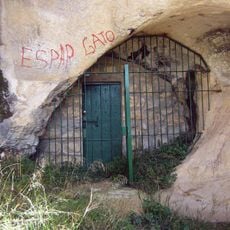
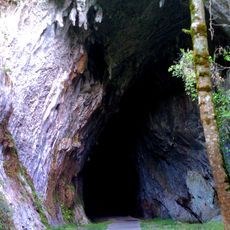
El Mirón is a limestone cave in the Asón River valley with multiple chambers containing prehistoric art and human remains from the Stone Age. The walls display animal engravings and other carved images left by the people who lived there.
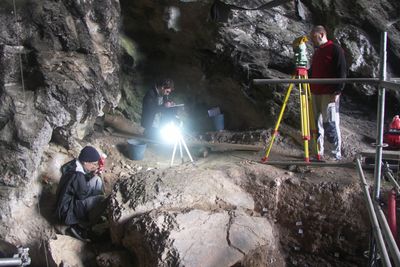
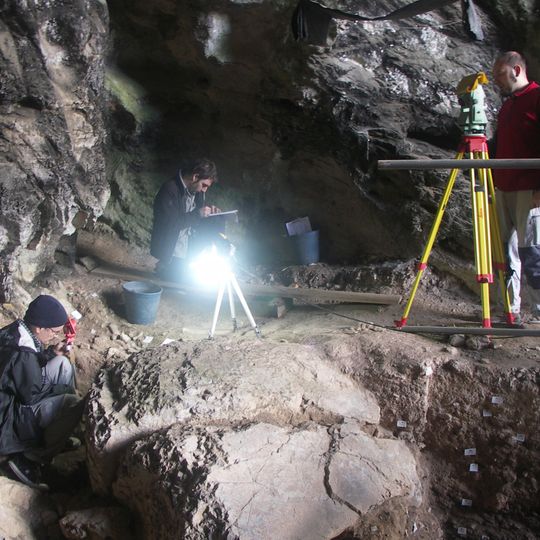
The cave was used by humans for about 40,000 years, from the earliest Stone Age hunters through the Magdalenian period around 15,000 years ago. Scientific excavations beginning in 1996 uncovered this long record of occupation.
The burial site reveals how Magdalenian communities treated their dead and the role of pigments in their ritual practices. The red coloring on the bones shows that these people performed careful and intentional burials.
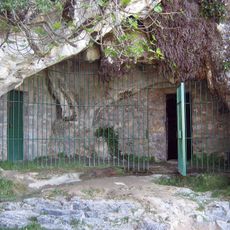
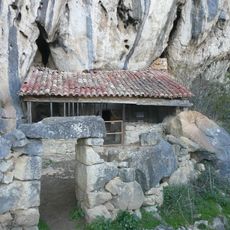
Access to the cave is typically through organized visits or research programs since it remains an active excavation site. The best time to visit is outside the summer months when intensive field research is less active.
A striking feature is the placement of a large horse carving right near the burial chamber, suggesting a connection between hunting and funeral rituals. Such close spatial links between artwork and burial sites are rare and offer insight into how these early people thought about life and death.
The community of curious travelers
AroundUs brings together thousands of curated places, local tips, and hidden gems, enriched daily by 91,138 contributors worldwide.