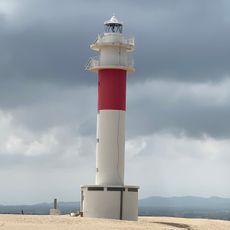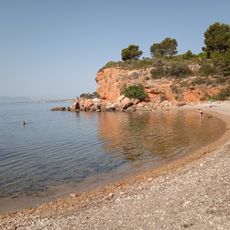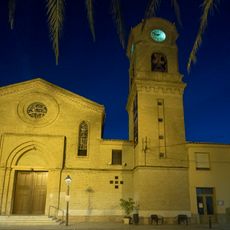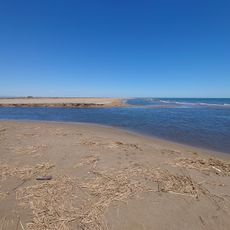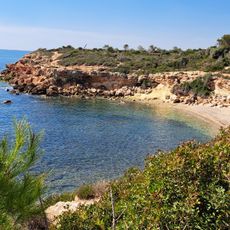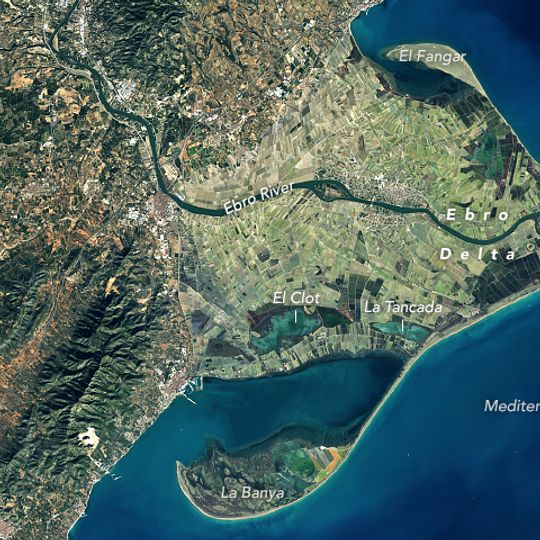
Ebro Delta, River delta in Montsià, Spain.
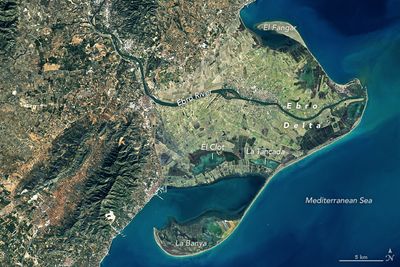
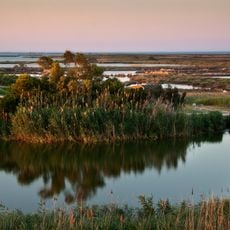
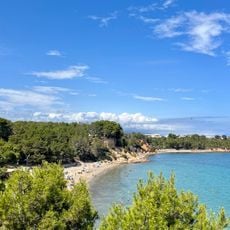
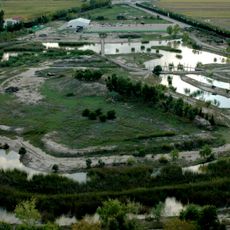
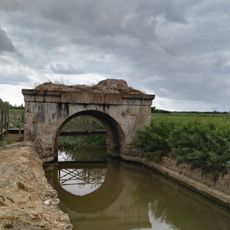
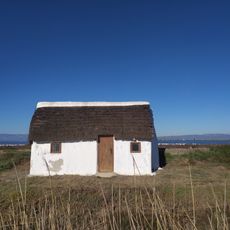
The Ebro Delta is a wetland where the Ebro River flows into the Mediterranean Sea, splitting into numerous canals and lagoons. The area consists mainly of rice paddies, salt flats, and water bodies that form a flat, open landscape.
The delta formed over thousands of years through sediment deposits from the Ebro River, creating the foundation for agriculture and fishing. This gradual formation allowed human communities to establish themselves in the region.
Rice farming shapes local identity, with farmers continuing traditional methods passed down through generations in the paddies. This way of working remains visible in how people use and care for the land.
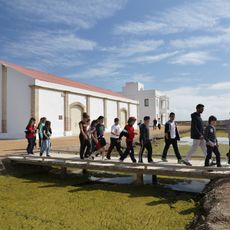
Observation points are scattered throughout the delta where visitors can watch birds, especially during spring and autumn migrations. Early morning and late afternoon visits are best for spotting wildlife and enjoying good light for viewing.
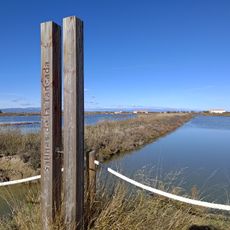
The area contains salt flats where salt production continues through evaporation pools, creating geometric patterns of white crystalline formations. This salt-making tradition is often overlooked by visitors but shows how humans have used the delta beyond farming.
The community of curious travelers
AroundUs brings together thousands of curated places, local tips, and hidden gems, enriched daily by 92,398 contributors worldwide.