Fontaine Moussue de Vaugines, Medieval fountain in Vaugines, France.
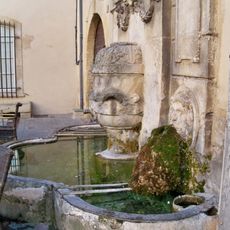
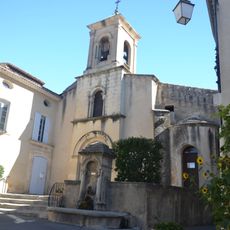
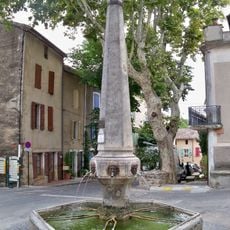
The Fontaine Moussue de Vaugines is a stone fountain located in the central square of the village, covered with thick greenish moss on its circular basin. Water flows from its spout into the basin, which has been shaped by mineral deposits accumulated over the centuries.
The fountain was built in 1839 and served as the main water source for the village population. Its construction marked an important moment in the infrastructure development of Vaugines and remains central to the village's identity today.
The fountain has appeared in several French films, including Claude Berri's adaptations of Marcel Pagnol's stories about rural Provence life. It became a landmark for filmmakers seeking the authenticity of village life in this region.
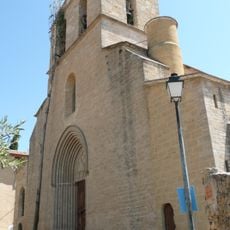
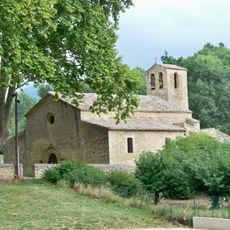
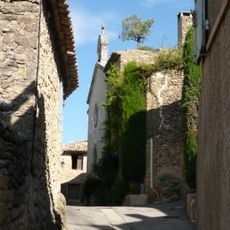
The fountain sits on the central square of the village, easily reached on foot by walking through narrow streets from parking near Saint-Barthélemy Church. The pathways are cobblestone and sometimes steep, so comfortable footwear is advisable.
The water flowing from the fountain is rich in minerals that slowly create white and orange-brown deposits on its surface. This natural mineralization continuously changes the fountain's appearance and inspired its name "Moussue," referring to the characteristic coating that develops over time.
The community of curious travelers
AroundUs brings together thousands of curated places, local tips, and hidden gems, enriched daily by 91,818 contributors worldwide.