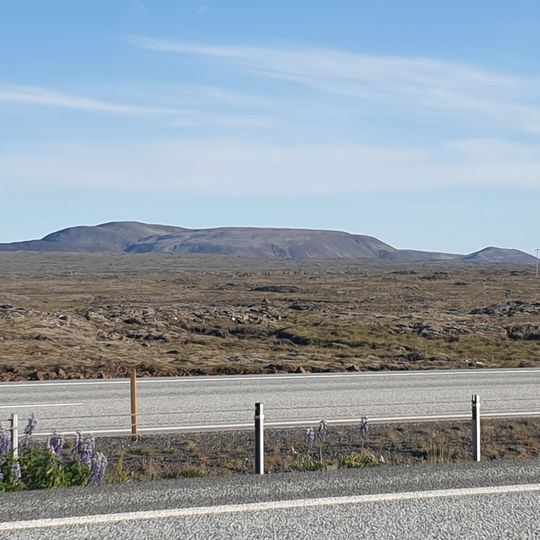
Fagradalsfjall, Active volcano in Southern Peninsula, Iceland.
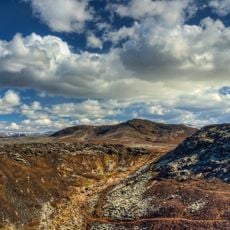
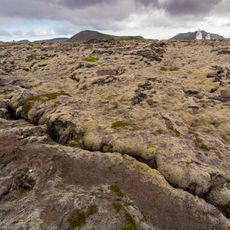
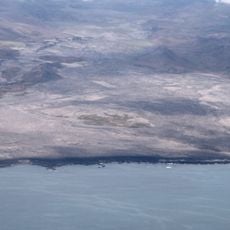
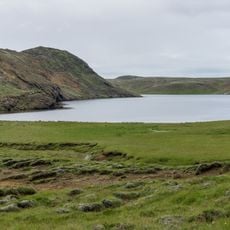
Fagradalsfjall is a broad, low ridge of a tuya volcano on the Reykjanes Peninsula, formed in the Last Glacial Period and rising to 385 metres at its northern rim, Langhóll. Its barren grey-brown flanks show ridges and hollows but no vegetation or structures. The wider volcanic system stretches 16 kilometres between the Eldvörp–Svartsengi and Krýsuvík systems.
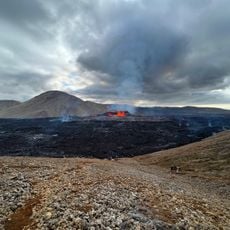
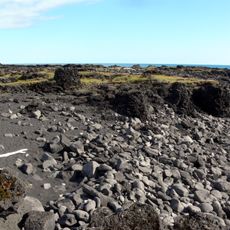
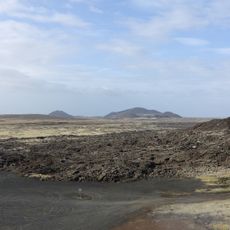
The volcanic system slept for roughly 800 years until eruptions started in March 2021. Since then, several eruptions have reshaped the land and created new craters.
The name combines fagur (fair), dalur (valley) and fjall (mountain), after Fagridalur, the valley northwest of the massif. The 2021 lava field was named Fagradalshraun, and the eruption is called Geldingadalsgos after Geldingadalir, the valley on the eastern flank where the first fissure opened on 19 March 2021. The site has attracted many visitors, and access is sometimes restricted when volcanic gases pose a risk.
Marked hiking trails lead to viewpoints where you can observe the craters and lava fields. Local authorities publish regular updates on safety conditions and possible access restrictions.
The ongoing volcanic activity since 2021 lets visitors watch lava flows and the formation of new rock layers firsthand. The Reykjanes Peninsula is one of the few places worldwide where you can experience active volcanism from a relatively close distance.
The community of curious travelers
AroundUs brings together thousands of curated places, local tips, and hidden gems, enriched daily by 92,603 contributors worldwide.