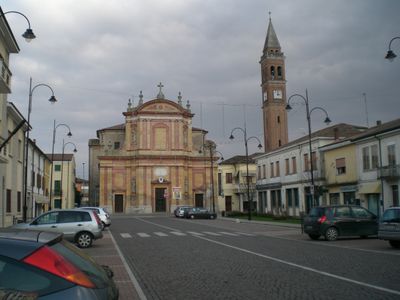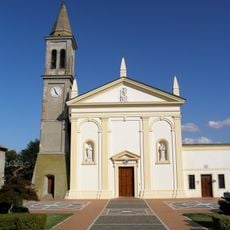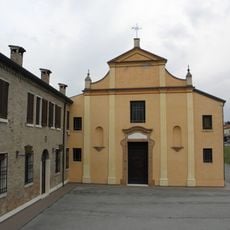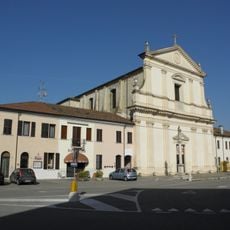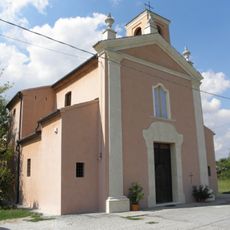
Occhiobello, Italian comune
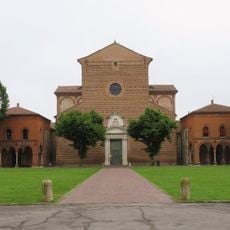
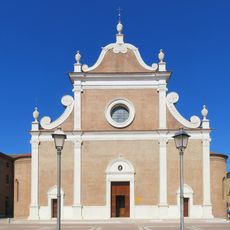
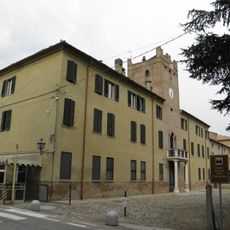
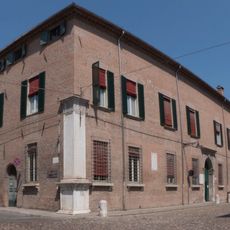
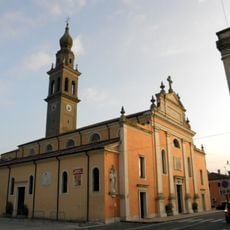
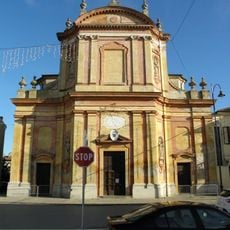
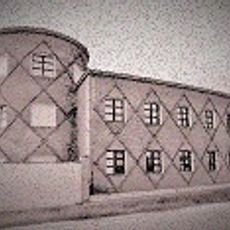
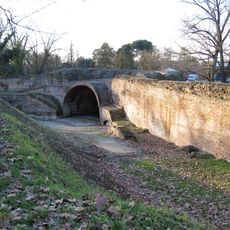
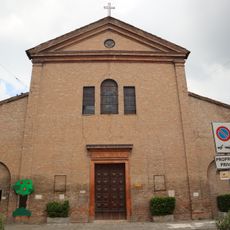
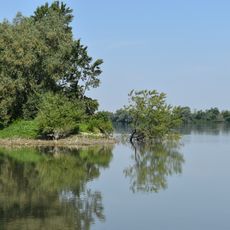
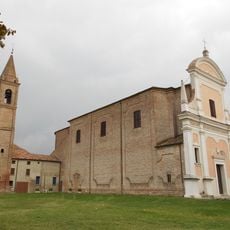
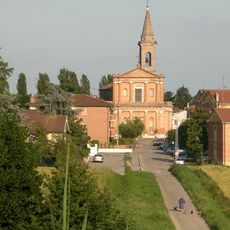
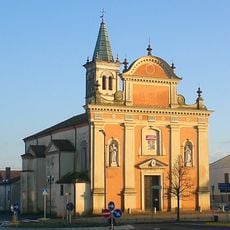
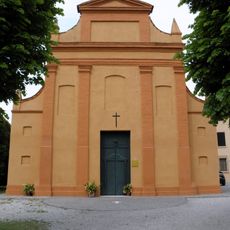
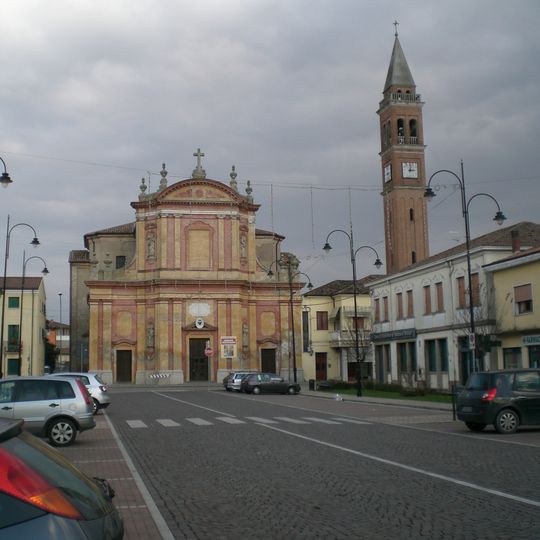
Occhiobello is a commune in the province of Rovigo situated near the Po River in northern Italy and divided into two parts called S. Maria Maddalena and Gurzone. The town combines farmland with historic buildings from different periods, ranging from old palaces to modern structures, and has long served as an important crossing point between different regions.
Occhiobello arose at an important location along ancient trade routes and was shaped by various cultures including Celts, Etruscans, and Gauls, each leaving their mark on the settlement. The town faced major hardships including bombing during World War II and a destructive Po River flood in 1951, yet recovered and grew significantly from the 1970s onward.
The town maintains a strong local dialect that reflects its ancient Celtic roots and is still heard in markets and family gatherings today. Occhiobello takes pride in its food traditions, featuring dishes like cappelletti and pumpkin-filled cappellacci, along with the locally famous bread called "la ciupeta" that is enjoyed throughout Italy.
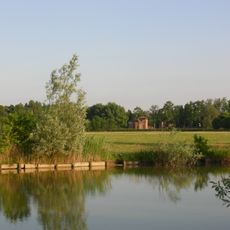
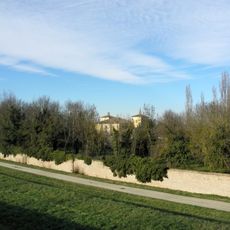
The best way to explore the area is by car since public transport is limited, though parking near the town center is easy to find. The surrounding countryside is ideal for cycling and walking along the Po River and through the fields, especially during warmer months.
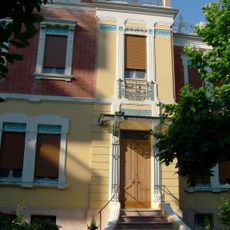
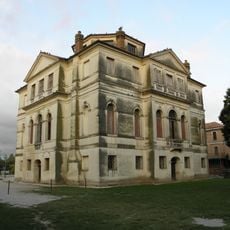
Villa Savonarola, a large country estate that changed hands many times, was once owned by the family of reformer Girolamo Savonarola and now operates as a hotel. This blend of history and hospitality allows visitors to stay within a historically significant setting while experiencing the local heritage directly.
The community of curious travelers
AroundUs brings together thousands of curated places, local tips, and hidden gems, enriched daily by 91,381 contributors worldwide.