Pescopagano, Italian comune
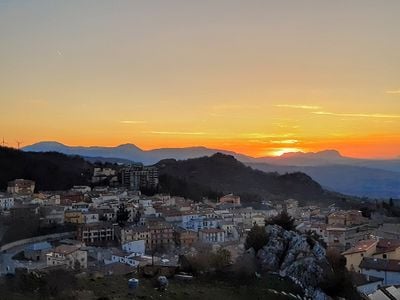
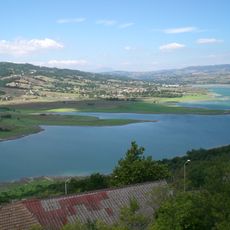
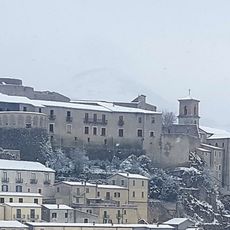
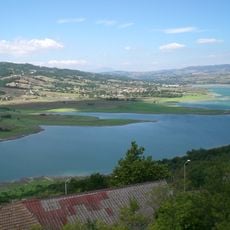
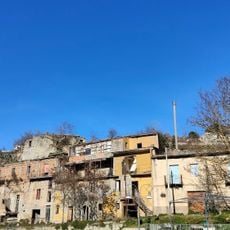
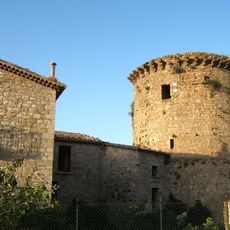
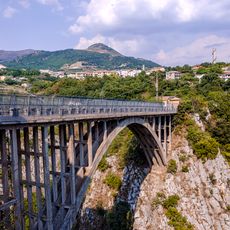
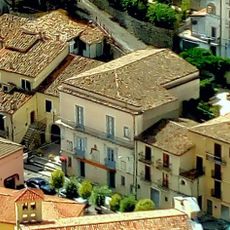
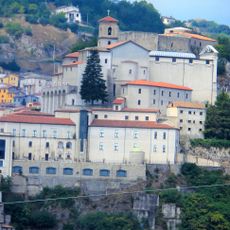
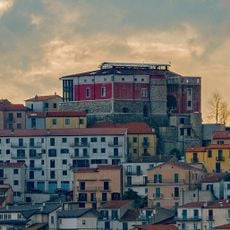
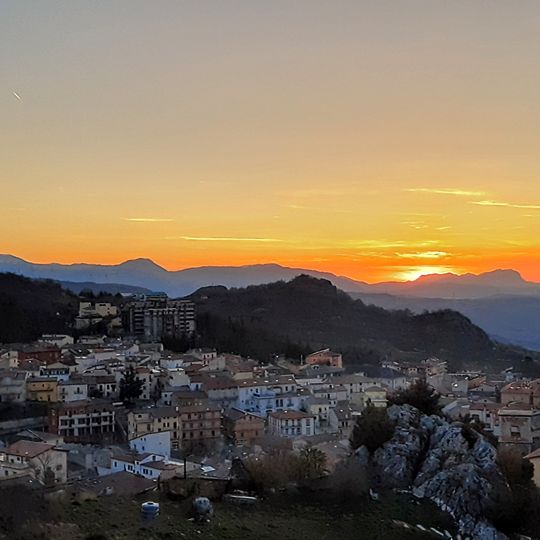
Pescopagano is a small town perched on a high cliff in the province of Potenza and overlooks the green landscape of the Ofanto Valley below. The settlement contains old buildings dating from the 17th to 19th centuries, many with neoclassical doorframes and noble houses like Palazzo Laviano and Palazzo Scioscia.
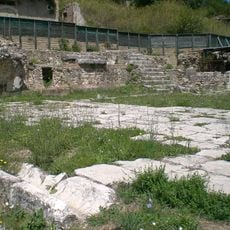
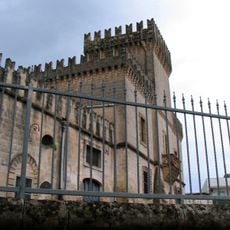
The place was known in ancient times as Castrum Petrae Paganae and was founded for its defensive position on a hilltop. The settlement changed hands several times during the Middle Ages, including rule by the d'Angiò family and Queen Sancha of Aragon, before eventually becoming the possession of the Marchese d'Andrea.
The town reflects its identity through history and local traditions celebrated during festivals and special events throughout the year. People here take pride in their long past and share a strong connection to the customs and stories that shaped their community.
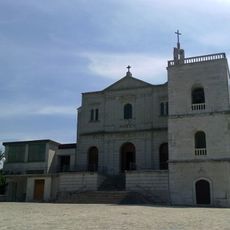
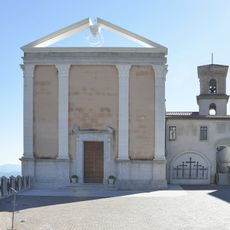
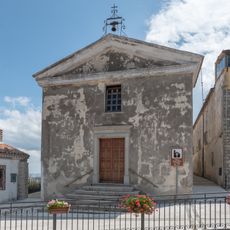
The town is best explored on foot by following the streets and marked paths that lead to historic sites and churches. Most major points of interest are relatively close to each other, so you can see several attractions during a single walk.
Embedded in Piazza della Sibilla is a stone bust of Janus, the two-faced Roman god, a rare example of ancient Roman symbolism still visible today. This representation directly connects the modern settlement to its ancient past.
The community of curious travelers
AroundUs brings together thousands of curated places, local tips, and hidden gems, enriched daily by 92,540 contributors worldwide.