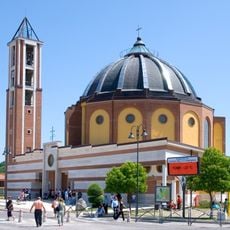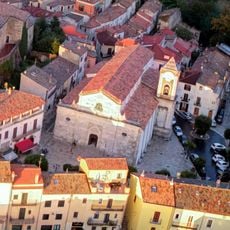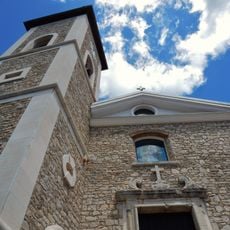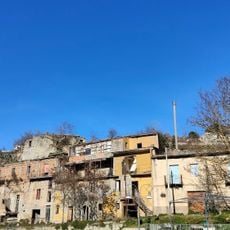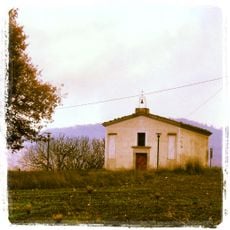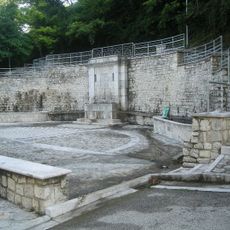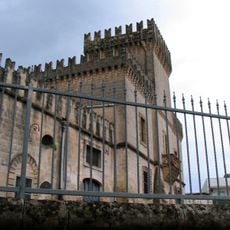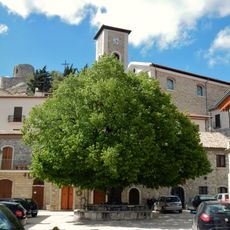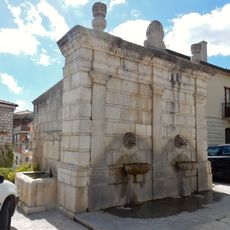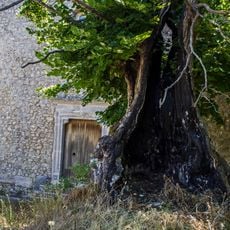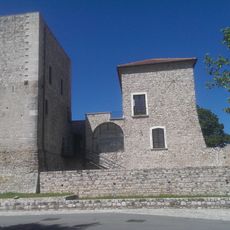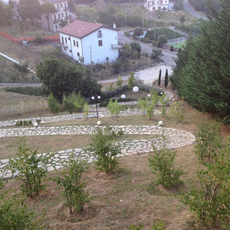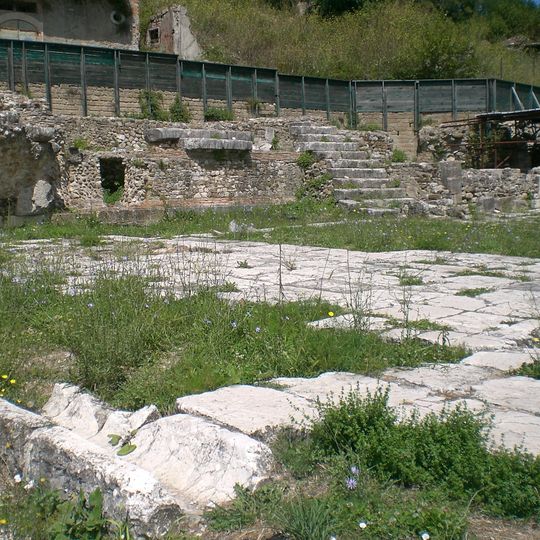
Compsa, human settlement in Conza della Campania, Province of Avellino, Campania, Italy
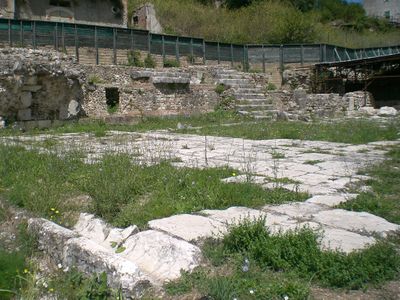
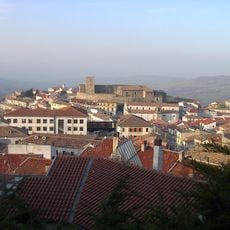
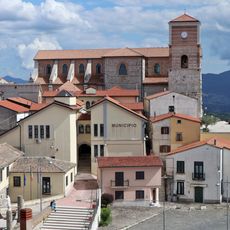
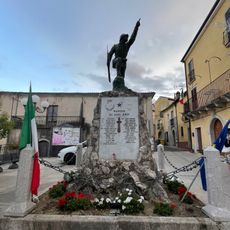
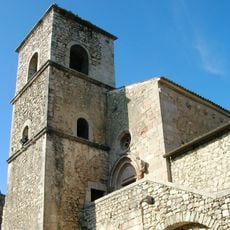
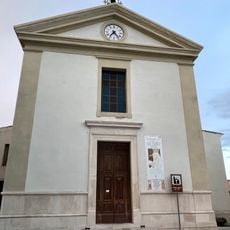
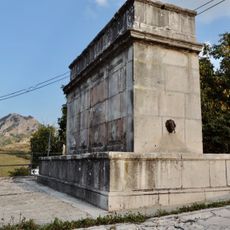
Compsa is an archaeological site of a Roman city located beneath and around the modern town of Conza della Campania, in the Campania region of southern Italy. Excavations have uncovered remains of a forum, an amphitheater, baths, and other structures built across several centuries.
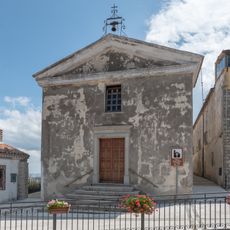
Compsa was first a city of the Hirpini, a Samnite people, before coming under Roman control in the 3rd century BC. In the Middle Ages it became an Episcopal seat, though repeated invasions and earthquakes shaped its later history.
The name Compsa comes from an Oscan word meaning fortress, which reflects the hilltop position of the ancient town. During guided visits, you can see floor mosaics and inscribed stones that give a sense of how densely inhabited this place once was.
Because much of the site lies beneath the modern town, visits require prior arrangement with local authorities in Conza della Campania. A guide is strongly recommended, since many remains are hard to read without context.
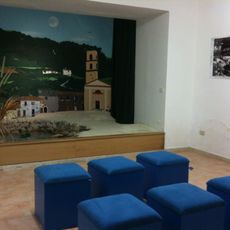
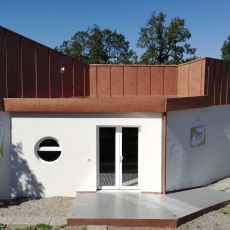
The 1980 earthquake that destroyed the modern town also uncovered large sections of the ancient layers beneath it, turning a disaster into an unexpected opening for archaeology. A small museum was later set up inside the park to display mosaics and grave inscriptions found during subsequent excavations.
The community of curious travelers
AroundUs brings together thousands of curated places, local tips, and hidden gems, enriched daily by 91,856 contributors worldwide.