Castello ducale, Medieval Hohenstaufen castle in Bisaccia, Italy
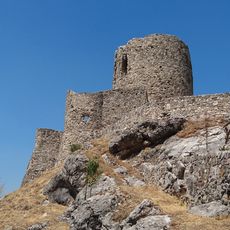
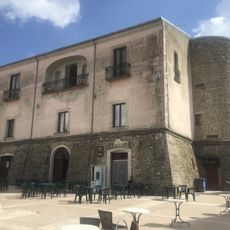
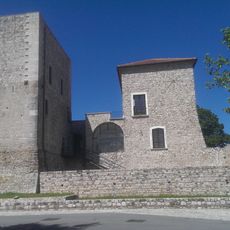
Castello ducale is a castle in Bisaccia built from large river pebbles, squared limestone blocks and hard mortar. It has a square tower 12 metres high and 8 metres wide, a cistern with a filter and clay drainage pipes, the ruins of a small apse church, and 42 rooms. The Pignatelli d'Egmont coat of arms is above the gate.
The Lombards built a first fortress here in the second half of the 8th century; a powerful earthquake destroyed it in 1198. Frederick II had the castle rebuilt almost entirely and used its cellars as a prison; the square tower, typical of Hohenstaufen work, dates to his time. In 1246 he deprived Riccardo I di Bisaccia of the fief and had him executed with his son after the Capaccio conspiracy. Frederick II visited Bisaccia in 1250, issuing a mandate on 28 June "in campis prope Bisacciam".
The name Bisaccia derives from the Byzantine castrum Byzacium or Byzantii, as the fortress was called when it served as a Byzantine outpost. The Pignatelli d'Egmont family, who held the castle from the late 16th to the early 19th century, left their coat of arms above the main gate. The pastinato lease practised here gave its name to the hamlet of Pastina.
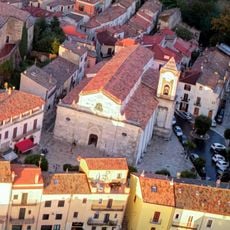
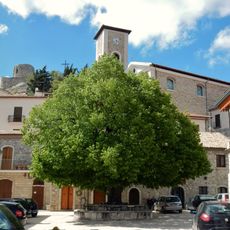
The castle stands beside the cathedral in the centre of Bisaccia, in the province of Avellino. The south wing held the feudal lord's living quarters, while the entrance portal carries the Pignatelli d'Egmont coat of arms. The site is a ruin with uneven ground, so sturdy shoes help.
The castle's cellars, used as a prison by Frederick II, are among the oldest surviving parts of the structure. The square tower is built so that its top could be seen from the network of nearby Hohenstaufen castles, reaching as far as Basilicata. The Pignatelli d'Egmont coat of arms above the gate recalls the family that held the castle from the late 16th to the early 19th century.
The community of curious travelers
AroundUs brings together thousands of curated places, local tips, and hidden gems, enriched daily by 93,943 contributors worldwide.