Morlupo, Italian comune
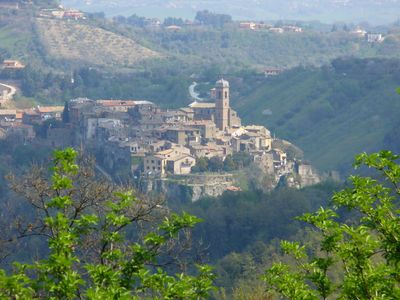
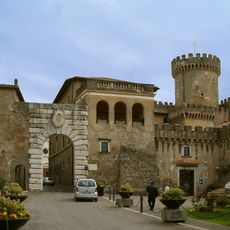
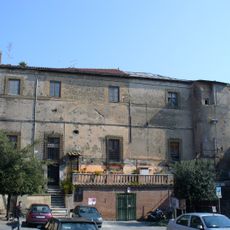
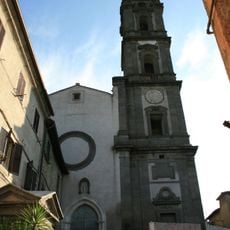
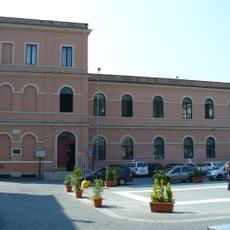
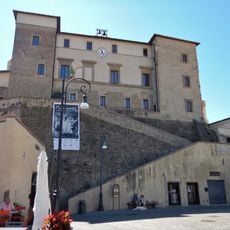
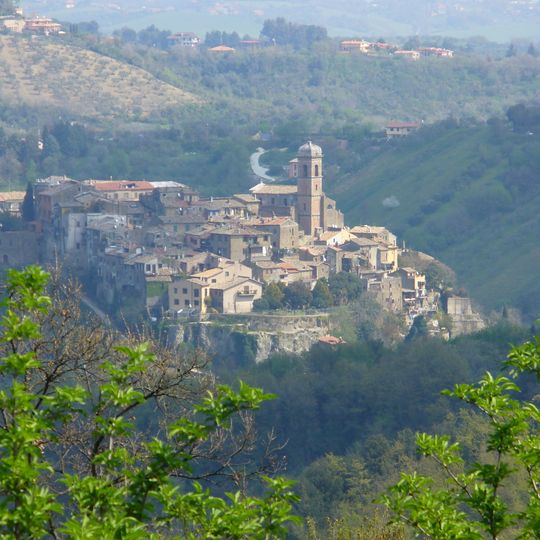
Morlupo is a small commune near Rome with a distinctive horseshoe-shaped layout rising from soft tufa rock. The town features narrow winding streets lined with old stone houses, two notable churches including San Giovanni Battista with its 40-meter bell tower, and several historical buildings such as Palazzetto Borghese and the 16th-century Castello Orsini.
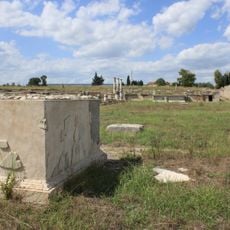
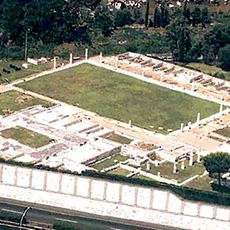
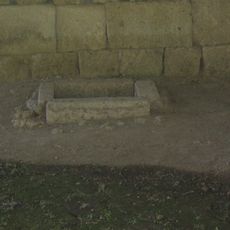
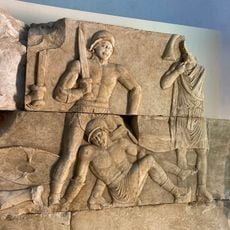
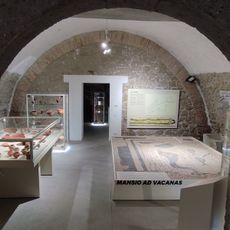
Morlupo was settled by the Etruscans with remains of this ancient civilization still visible, including underground tunnel systems once used as tombs. During Roman times, the settlement served as a notable station along the Via Flaminia highway where travelers rested during their journeys.
The name Morlupo possibly derives from the Latin "murus lupus" meaning wolf wall, reflecting the town's defensive past. Today, locals keep traditions alive through events like the annual "covata" celebration at the Madonna delle Grazie church, where walnuts are hidden throughout the year and revealed on September 8 in a ritual that bonds the community.
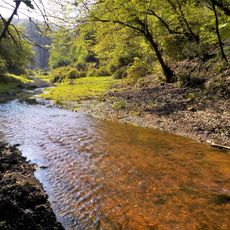
The town is best visited on fine days in spring when temperatures are pleasant and nature is in bloom. It is easily explored on foot, and there are trails that connect the town to nearby parks in the surrounding fields and woodlands for walking or cycling.
The town has a rare horseshoe-shaped structure that sets it apart from typical Italian villages and stands out when viewed from afar. This unusual layout results from the topography of the tufa rock on which it was built, making Morlupo a geographically distinctive settlement pattern in the region.
The community of curious travelers
AroundUs brings together thousands of curated places, local tips, and hidden gems, enriched daily by 90,897 contributors worldwide.