Rocca di Papa, Medieval commune in Alban Hills, Italy
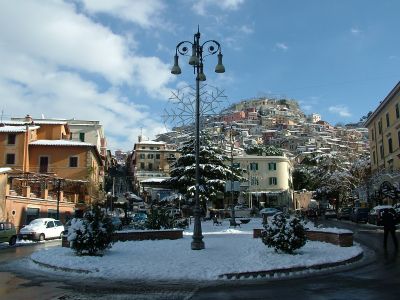
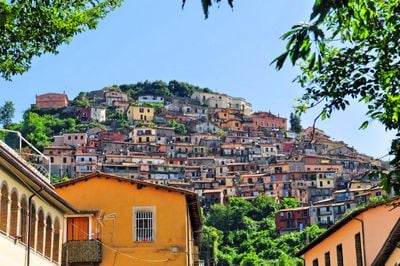
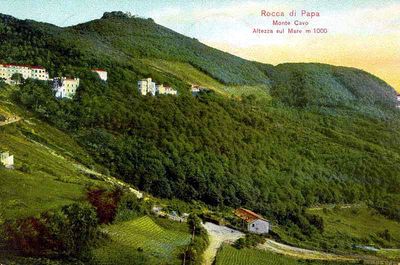
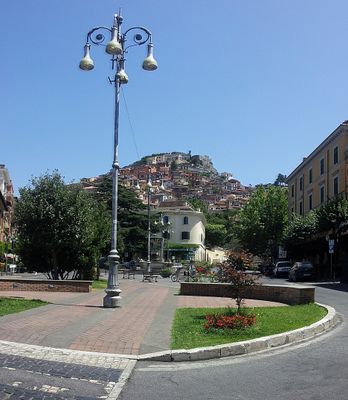
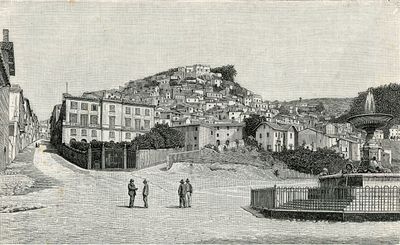
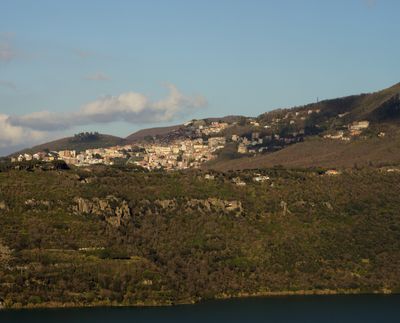
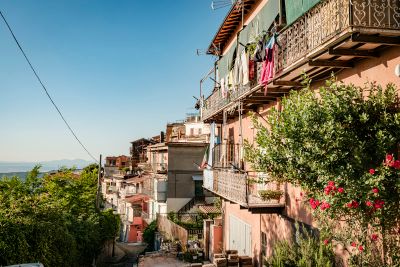
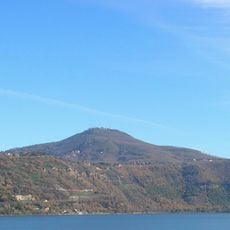
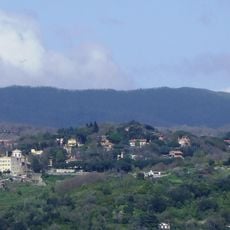
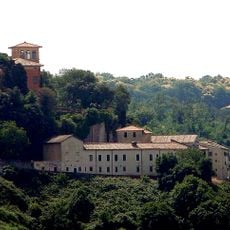
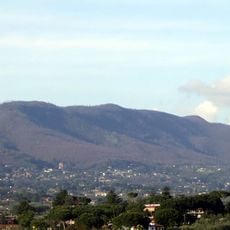
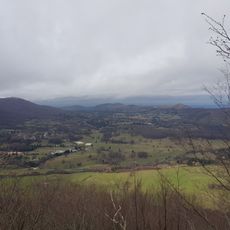
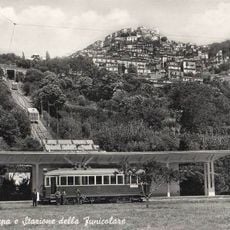
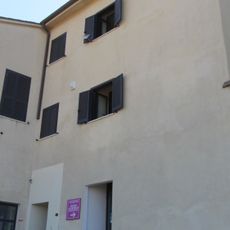
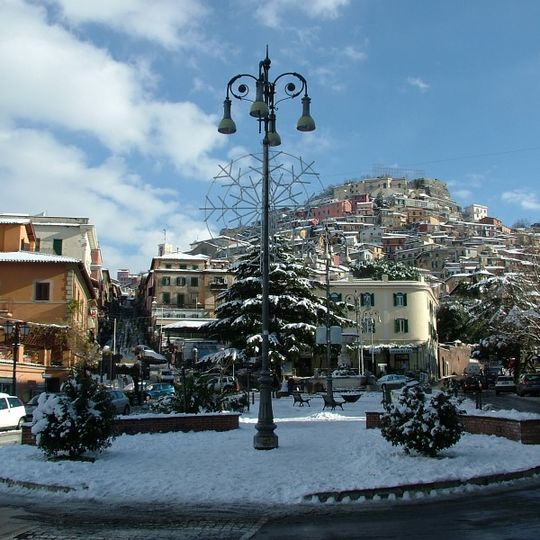
Rocca di Papa is a village in the Alban Hills southeast of Rome, sitting above 680 meters elevation with narrow winding streets lined by stone buildings. The town's layout adapts to the steep terrain, creating a maze-like structure throughout.
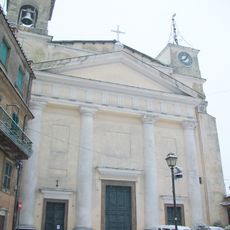
The settlement began as the ancient Latin city of Cabum and took its current name in the 12th century when Pope Eugene III visited the area. This connection to early Christianity left a lasting mark on the town's identity.
The town's chestnut harvest brings people together each autumn with local wines and regional products on display. This tradition shapes how residents connect with their landscape and each other throughout the year.
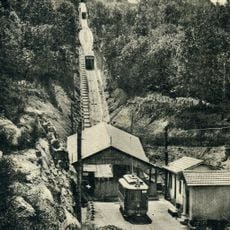
Visitors can reach the town via several train stations, particularly Marino Laziale and Frascati, both offering good connections to Rome. The best way to explore is on foot through the narrow lanes, so sturdy shoes are recommended.
A Royal Geodynamic Observatory established in 1889 sits in the town and played a key role in early radio experiments. Guglielmo Marconi used the facility between 1922 and 1935 for his wireless telegraphy research.
The community of curious travelers
AroundUs brings together thousands of curated places, local tips, and hidden gems, enriched daily by 92,997 contributors worldwide.