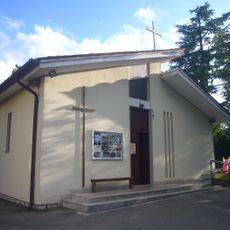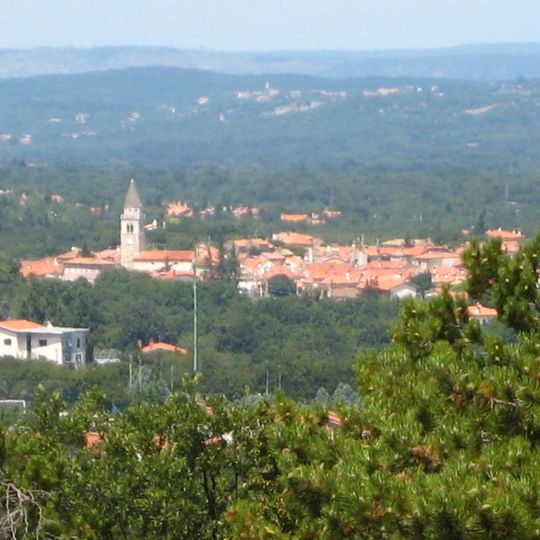
Prosecco, former village, now suburb of Trieste, Italy
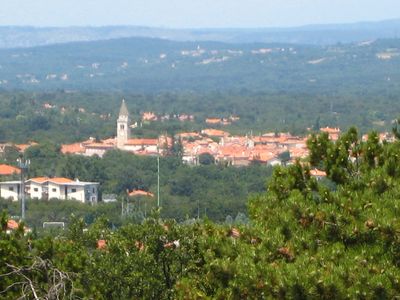
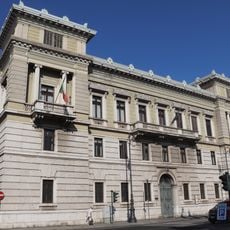
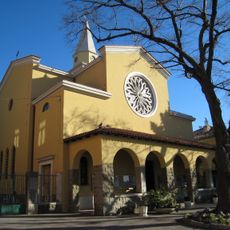
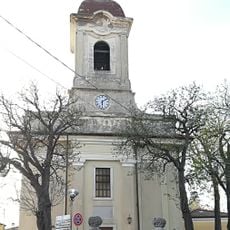
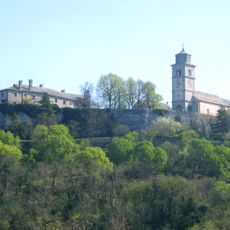
Prosecco is a small village near Trieste, Italy, located at about 250 meters (820 feet) above sea level and known for its simple houses and quiet streets. It has two distinct parts: the older center with traditional structures and the Borgo San Nazario area developed in the 1950s and 1960s, together creating a blend of different building styles and periods.
The village was first recorded in 1308 as 'Prossecho', with the spelling changing over centuries between Prosec and Prosseck before the modern form became standard. The region came under Italian control in 1920 after World War I, and its population shifted further when Italians from Istria settled in the newly built Borgo San Nazario area after World War II.
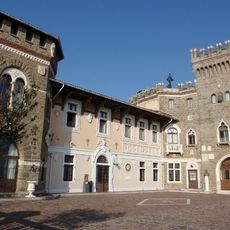
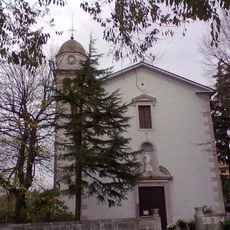
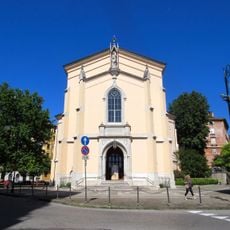
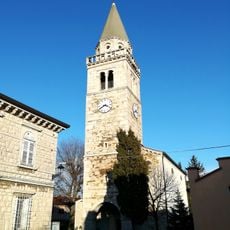
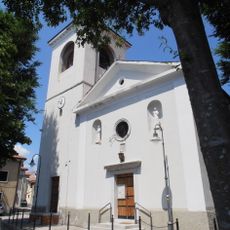
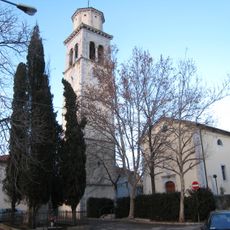
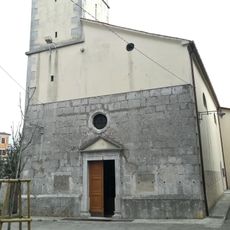
The name Prosecco comes from the Slovene word 'prosek', meaning 'a path cut through woods', reflecting the forest trails that once crisscrossed this area. You can see this layered heritage in the buildings today: older Slovene houses stand alongside newer Italian homes built after World War II, showing how different communities have shaped the village over time.
The village is easy to reach from central Trieste by car or bike, with roads passing through fields and small villages that give a taste of local life. Quiet streets are ideal for walking or cycling, and you can find small shops, local restaurants, and seasonal farmhouses called 'Osmize' that serve regional specialties like cured meats, cheeses, and homemade wines.
The village shares its name with the famous Prosecco wine, yet most grapes used to make this drink are actually grown in the Veneto and Friuli-Venezia Giulia regions, not locally here. Nonetheless, visitors can taste homemade wines, cured meats, and cheese at seasonal farmhouses called 'Osmize', gaining an authentic feel for the rural life of this historic area.
The community of curious travelers
AroundUs brings together thousands of curated places, local tips, and hidden gems, enriched daily by 92,419 contributors worldwide.