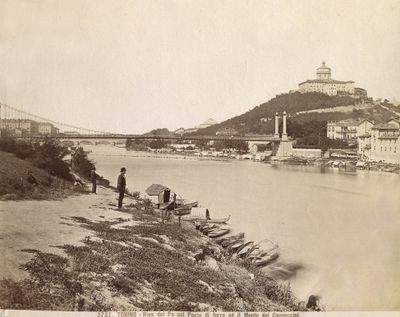
Maria Teresa Bridge, 19th century bridge in Turin, Italy
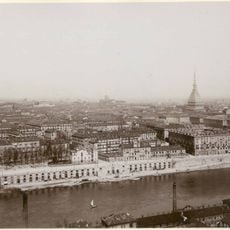
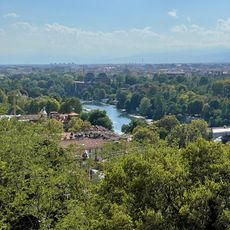
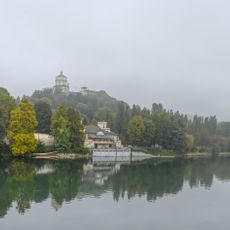
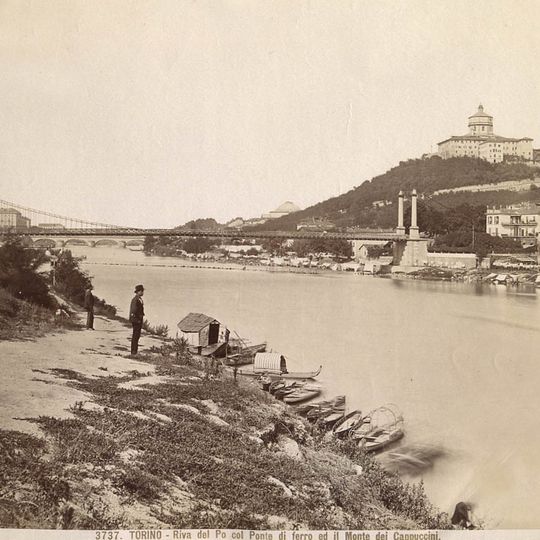
Maria Teresa Bridge was a 127-meter iron structure that crossed the Po River and connected two central neighborhoods of Turin with dedicated pedestrian pathways. The design employed advanced iron construction techniques typical of mid-19th century European engineering.
Built in 1840 as Turin's second bridge across the Po, it was designed by French engineer Paul Lehaitre using modern iron construction methods. After repeated structural repairs became necessary, the bridge closed in 1897 and was eventually demolished to make way for a new crossing.
The bridge took its name from Maria Theresa of Habsburg-Lorraine, consort of King Carlo Alberto, reflecting the historical ties between Turin and the Austrian imperial court. This naming choice reveals how closely the city's elite were connected to Central European dynasties during the 19th century.
The bridge provided a pedestrian crossing at a central location in Turin's main traffic network, making it convenient for residents traveling between neighborhoods. Its accessible design with dedicated walkways made it a straightforward route across the river for foot traffic.
It connected Viale del Re with Borgo del Rubatto, a neighborhood that was later renamed Borgo Crimea, linking two areas during an important period of urban expansion. The renaming of the district itself reveals how place names shifted to reflect the city's changing political landscape.
The community of curious travelers
AroundUs brings together thousands of curated places, local tips, and hidden gems, enriched daily by 91,396 contributors worldwide.