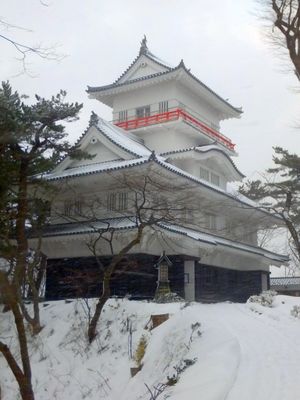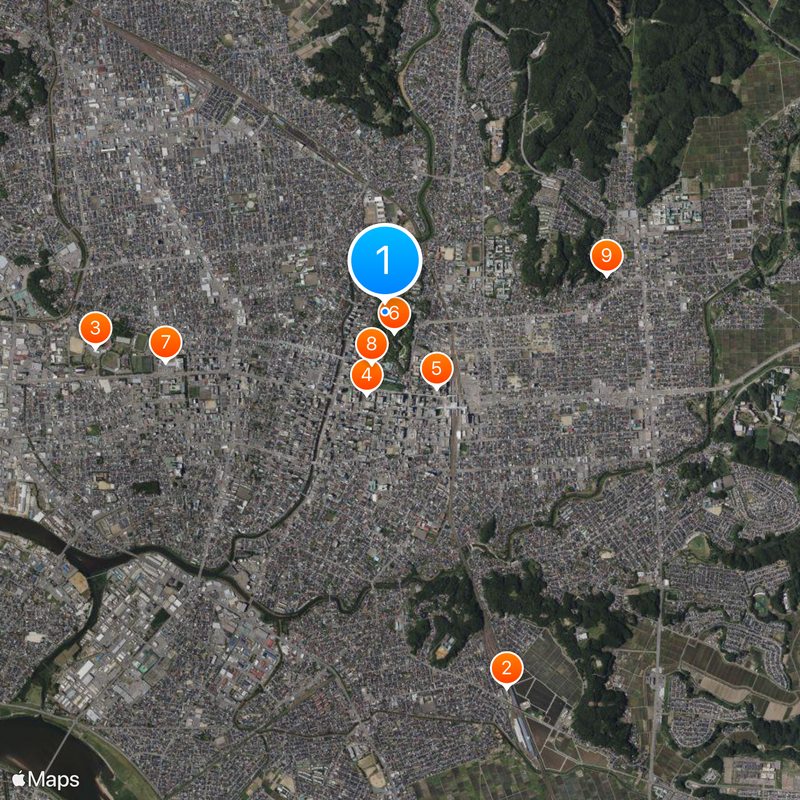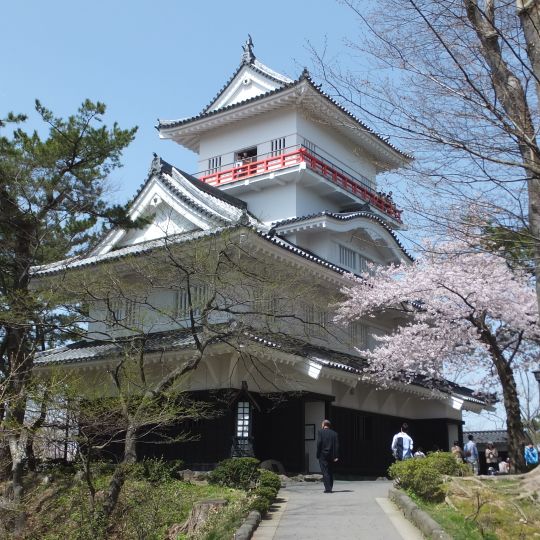
Kubota Castle, Japanese castle in Senshū Park, Akita, Japan
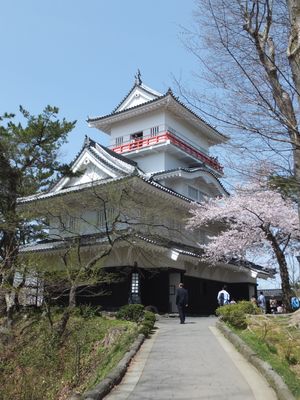
Kubota Castle is a fortified site in Senshū Park in Akita, originally built with moats, earthen ramparts and several watchtowers. The layout shows the typical design of a hirayamajiro, a castle built on low hills without heavy stone walls.
Satake Yoshinobu had the castle built in 1604 after Tokugawa Ieyasu transferred him from Hitachi Province to the Dewa region. The complex served for over two centuries as the seat of government for the Kubota domain until the end of the feudal era.
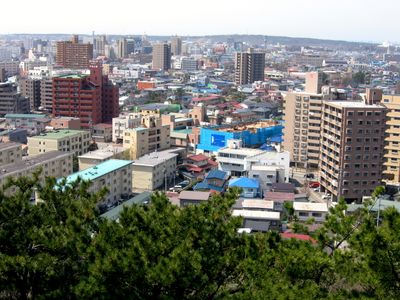
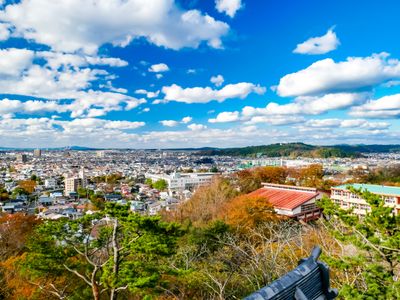
The name of the castle comes from the old regional designation Kubota, which the Satake clan used for their domain during their rule. Today locals often walk through the park to enjoy the view from the embankments and gather with friends in the shade of the old trees.
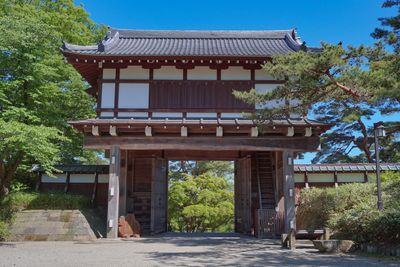
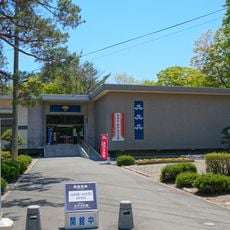
A reconstructed corner tower now houses a museum displaying objects related to the history of the castle and the life of the ruling family. The main entrance and paths through the grounds are well signposted and accessible even in damp weather.
Instead of the usual stone walls, the defenses here relied on wide moats and layered earthen ramparts, which was rather uncommon in castle construction of that time. This approach likely resulted from the difficulty of sourcing suitable stone in the area and the marshy ground conditions that required different solutions.
The community of curious travelers
AroundUs brings together thousands of curated places, local tips, and hidden gems, enriched daily by 91,807 contributors worldwide.