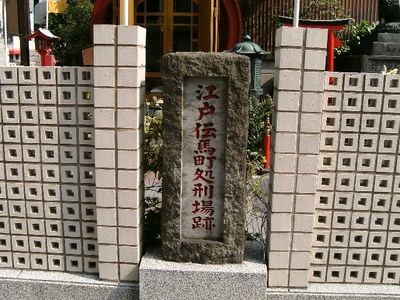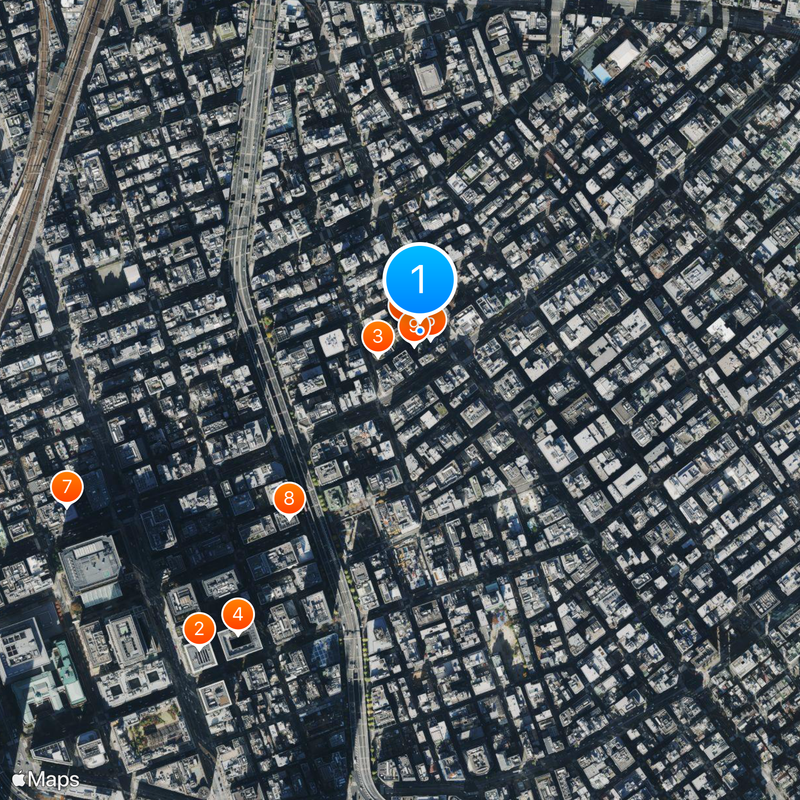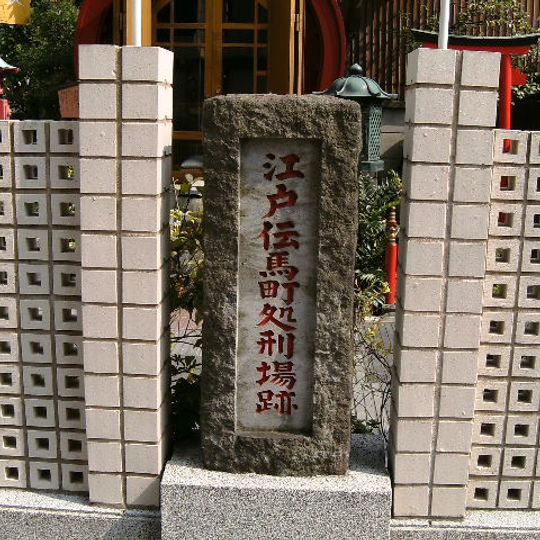
Tenma-chō Prison, Prison in Nihonbashi-Kodenmachō, Japan.
Tenma-chō Prison was a large detention facility in the Nihonbashi-Kodenmachō district that housed separate sections for high-ranking officials, commoners, and female inmates. The buildings featured no windows and were surrounded by secured walls to maintain control over the population.
The facility opened in 1613 and operated until 1875, making it the largest prison during Japan's Edo period. Over these 260 years, it became known for the massive scale of executions carried out within its walls.
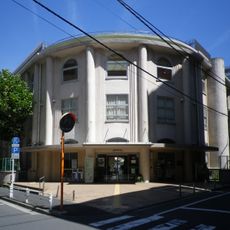
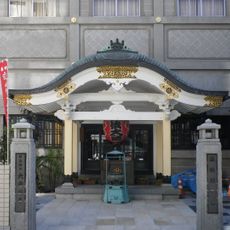
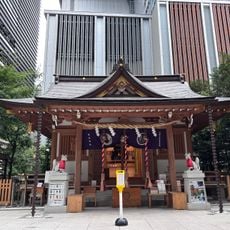
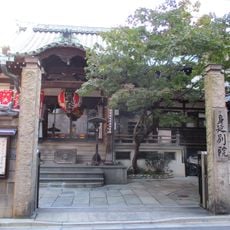
The Daianraku Temple, built on the former grounds after closure, serves as a memorial space where visitors can reflect on those who were executed here. The temple embodies how this difficult history has been transformed into a place for remembrance and quiet contemplation.
The site remains are accessible through Jisshi Park, where visitors can see archaeological evidence of Edo Period structures. Information plaques throughout the park help explain what once stood on this ground and how the area was organized.
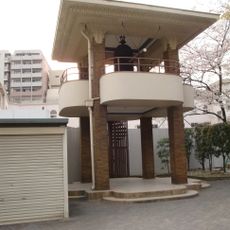
A bronze bell used to announce executions during operations was moved to Daianraku Temple after the facility closed. This bell remains visible to visitors today as a tangible connection to the facility's difficult past.
The community of curious travelers
AroundUs brings together thousands of curated places, local tips, and hidden gems, enriched daily by 91,102 contributors worldwide.