多治見修道院, Catholic abbey in Tajimi, Japan.
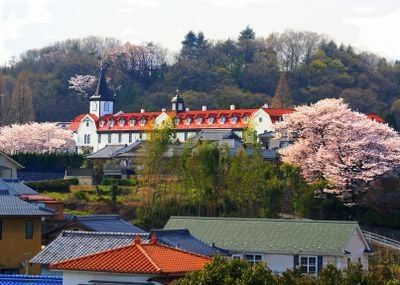
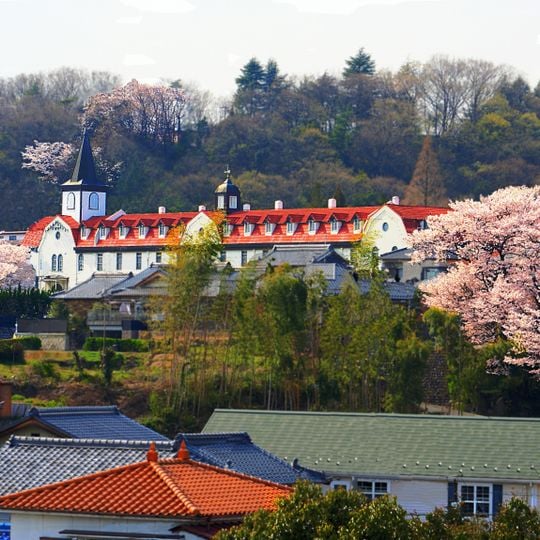
Tajimi Abbey is a monastic complex in Tajimi featuring three stories above ground and one basement level, characterized by red-tiled roofs and white walls that stand out against the eastern cityscape. The wooden structure incorporates both Western religious architecture and local building traditions in its design.
Father Mohl, a German priest, founded this monastery in 1930 as a center where foreign missionaries could study Japanese while living a monastic life. The establishment marked an important bridge between European religious traditions and Japanese society during that period.
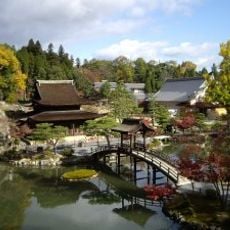
The monastery blends European architectural traditions with Japanese garden design, featuring stone lanterns and a Marian grotto set among traditional landscaping behind the main structure. Visitors can observe how these two cultural worlds coexist throughout the grounds.
The monastery operates a shop where visitors can purchase wine made from grapes grown in its own vineyards during regular business hours. Access to the grounds is best planned in advance given the hilly terrain surrounding the location.
This is Japan's only wine-producing monastery, maintaining its vineyard and cellar operations since 1933 with wines sold on-site. The combination of viticulture and monastic life in a Japanese setting is highly unusual and draws visitors curious about this unexpected blend.
The community of curious travelers
AroundUs brings together thousands of curated places, local tips, and hidden gems, enriched daily by 92,018 contributors worldwide.