Hondo-jinja, Shinto shrine in Japan
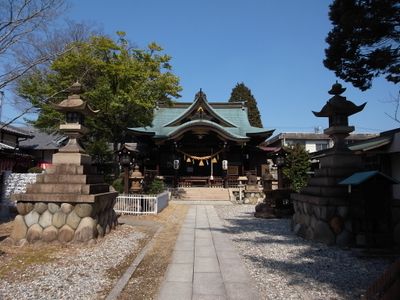
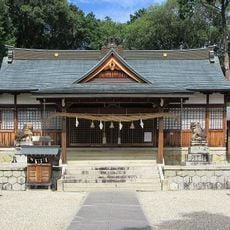
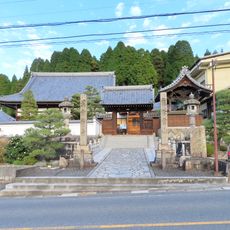
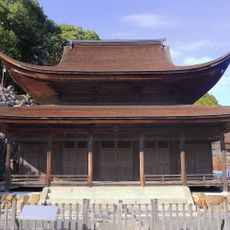
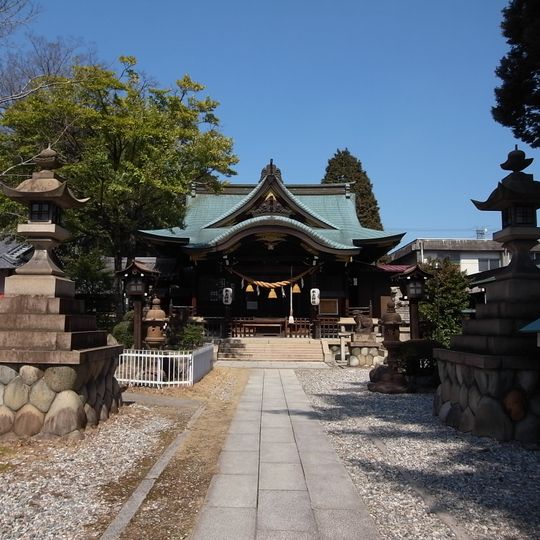
Hondo-jinja is a Shinto shrine in Tajimi built in the traditional nagare-zukuri style, recognizable by its gently curved roof that extends over the entrance. The structure features simple wooden beams, an altar for offerings inside, and is surrounded by tall trees that provide shade and privacy.
The shrine was built over 700 years ago, though its exact founding date remains unclear. During the Kamakura period, the local Toki clan supported its maintenance, but the shrine lost prominence after their defeat by the Oda clan in 1582, eventually gaining official status in 1873 as a village shrine.
The shrine serves as a focal point for local worship and community gatherings throughout the year. Visitors participate in simple rituals such as ringing the bell and making offerings, which reflect how traditional practices remain woven into daily life in Tajimi.
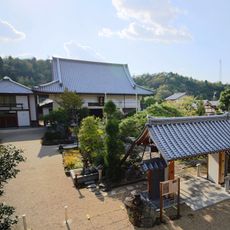
The grounds are peaceful and easy to navigate, with a path lined with stones that leads to the shrine and invites unhurried exploration. A visit requires no special preparation, though it is customary to bow before entering and treat the space with respect.
The shrine is dedicated to two deities: Sarutahiko no Okami, known for guiding travelers, and Niwatsuhi no Mikoto, connected to fire and the land. This dual dedication reflects how the shrine addresses multiple concerns of the community and daily life.
The community of curious travelers
AroundUs brings together thousands of curated places, local tips, and hidden gems, enriched daily by 91,779 contributors worldwide.