Arakawa Toyozō Museum, Ceramics museum in Kani, Japan
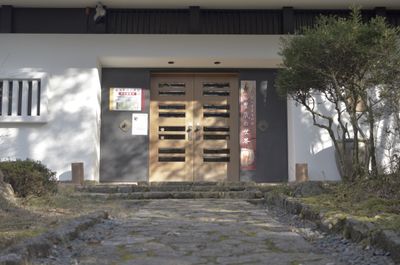
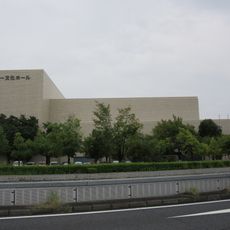
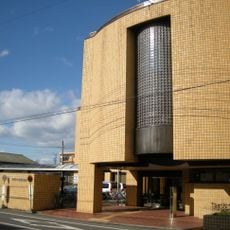
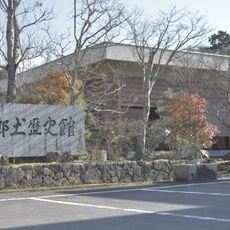
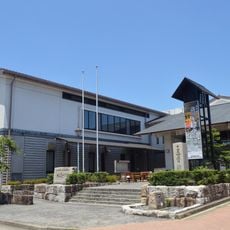
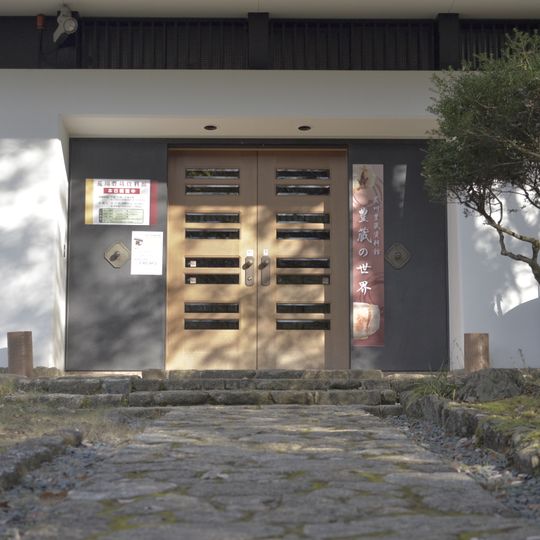
Arakawa Toyozō Museum is a ceramics museum in Kani displaying traditional Japanese pottery with a focus on techniques from the Mino region in Gifu Prefecture. The collection showcases handmade works that exemplify the distinctive manufacturing methods developed in this historic pottery center.
The museum was established in 1984 to honor Arakawa Toyozō, who discovered ancient kiln ruins at Ogaya in 1930. This discovery revealed important insights into Mino pottery production methods and shaped modern understanding of this historic ceramic tradition.
The museum displays works by Arakawa Toyozō, who received the Living National Treasure designation in 1955 for his mastery of Shino and Setoguro pottery styles. These handmade pieces reflect the ceramic traditions of the Mino region that visitors can observe directly in the galleries.
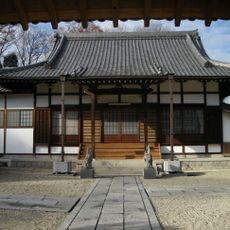
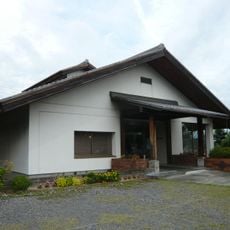
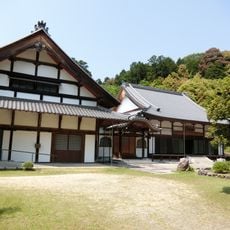
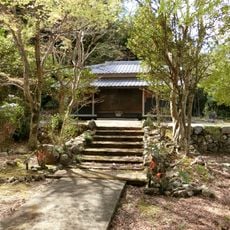
The museum is located on grounds that include an original workshop and a traditional kiln for visitors to explore alongside the main galleries. Allow time to walk through both indoor exhibits and outdoor structures to get a complete sense of the pottery production space.
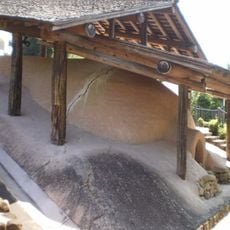
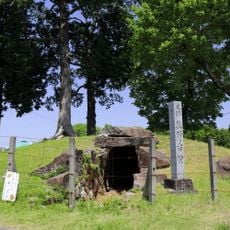
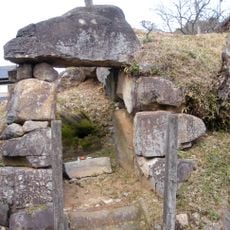
The museum grounds preserve a half-underground anagama kiln that traditionally produced pottery in small batches due to its design constraints. This rare production method reveals how potters worked in this region and the scale of output their techniques allowed.
The community of curious travelers
AroundUs brings together thousands of curated places, local tips, and hidden gems, enriched daily by 91,940 contributors worldwide.