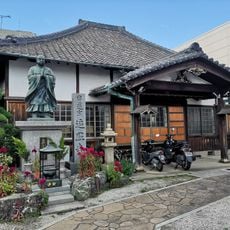
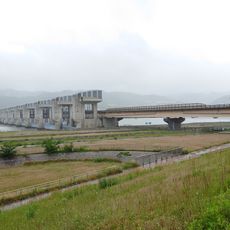
Ōtani Kofun, Ancient burial mound in Sakai, Japan
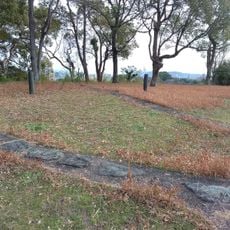
The Ōtani Kofun is a large earthen mound combining a circular rear section with a square front portion that creates a keyhole outline when seen from above. This distinctive two-part design was a standard layout for burial mounds built to honor the highest-ranking members of ancient Japanese society.
Built sometime between the 3rd and 7th centuries, this mound was constructed as a monumental burial site for the most powerful members of Japan's ruling elite. The practice of building these earthen monuments eventually declined as burial customs shifted during the medieval period.
The name reflects the distinctive keyhole shape visible from above, which defined a specific type of royal burial practice in ancient Japan. Walking around the mound, visitors grasp the scale of effort required to build such a monument with only manual labor.
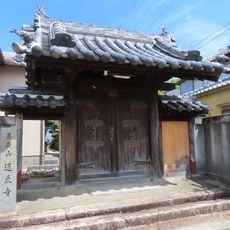
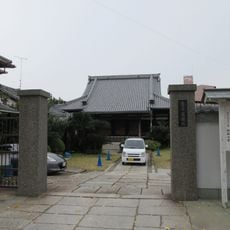
The mound sits within the urban area of Sakai with informational signs positioned at viewing points around the site. Visitors can walk the perimeter to appreciate the scale and shape, though the area is quite developed with modern surroundings, so planning a visit during quieter times helps with observation.
Ongoing archaeological work at the site has uncovered burial goods and artifacts that reveal details about the daily life and values of ancient Japanese rulers. These discoveries help researchers understand the social organization of an era many centuries gone.
The community of curious travelers
AroundUs brings together thousands of curated places, local tips, and hidden gems, enriched daily by 90,852 contributors worldwide.