Jōgan-ji, Buddhist temple in Honchō, Tokyo, Japan
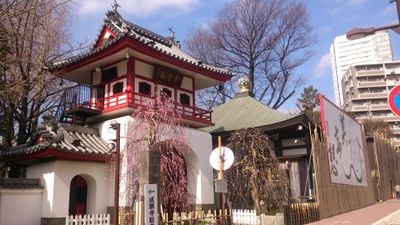
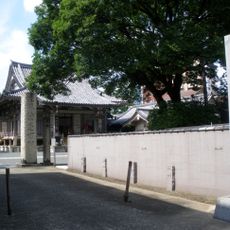
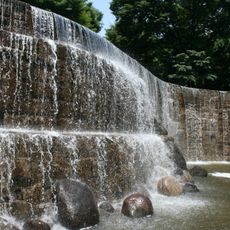
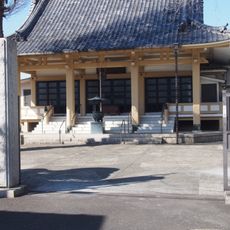
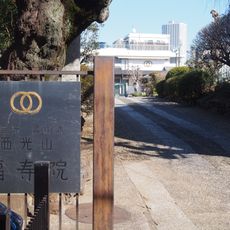
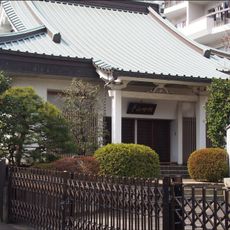
Jōgan-ji is a wooden Buddhist temple in the Honchō neighborhood of Tokyo, made up of a main hall, a cemetery, and a garden with a pond. Koi fish swim in the pond, and stone paths run through the grounds, laid out in the traditional style of Japanese temple compounds.
Suzuki Kurō founded Jōgan-ji in 1438, during the Muromachi period, a time when many Buddhist institutions were being established across Japan. The site has continued to serve the local area through the many changes that came with Tokyo's growth over the following centuries.
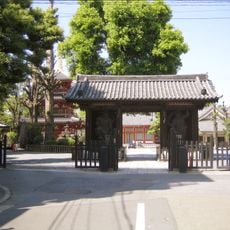
Guardian figures stand at the entrance of the temple, a tradition common to Japanese Buddhist sites where protective deities are placed to watch over the grounds. Their design and placement can tell a visitor something about which school of Buddhism the temple follows.
The temple is a short walk from Shibuya station, sitting within a residential area that is easy to navigate on foot. Some parts of the grounds may be closed to visitors during religious ceremonies, so it is worth checking what is accessible when you arrive.
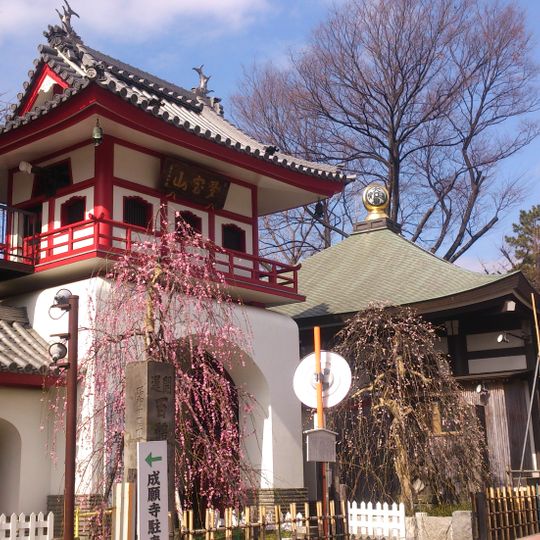
Jōgan-ji is part of a group of three temples standing close together, each one built in a different style from Japanese Buddhist architecture. This makes it possible to see how temple design changed over time without leaving the same neighborhood.
The community of curious travelers
AroundUs brings together thousands of curated places, local tips, and hidden gems, enriched daily by 91,671 contributors worldwide.