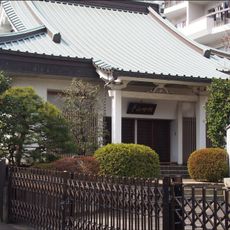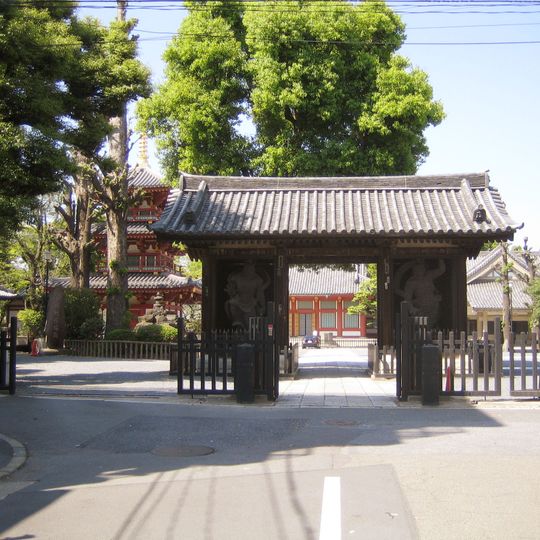
Hōsen-ji, Buddhist temple in Nakano, Japan
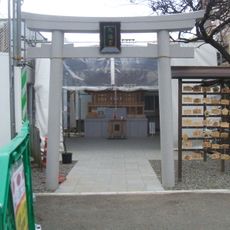
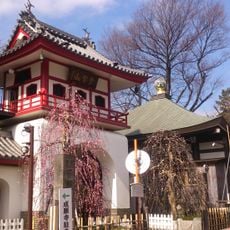
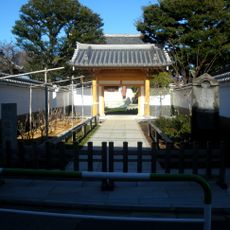
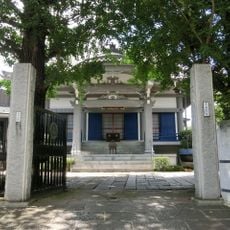
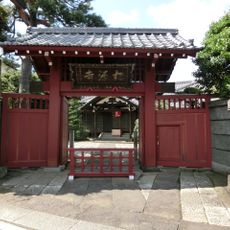
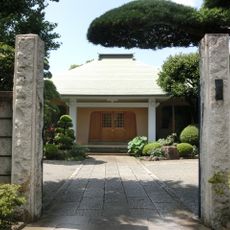
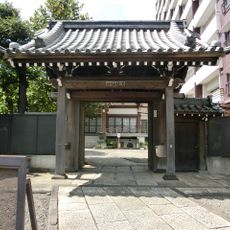
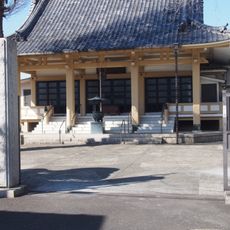
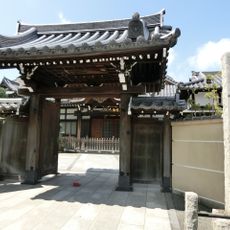
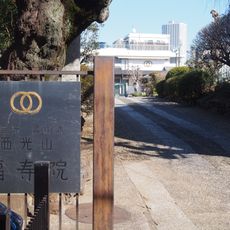
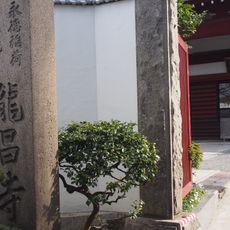
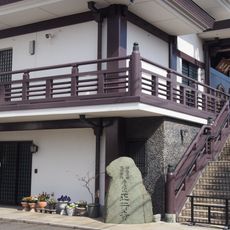
Hōsen-ji is a Buddhist temple in Nakano organized around a main complex featuring a three-story pagoda, a central hall for gatherings, and an impressive entrance gate with protective stone figures. The grounds are laid out with trees, paths, and spaces that reflect traditional temple design.
The temple was founded in the late 11th century and relocated to its present location in 1429, becoming an established landmark in the area. Over the following centuries, it developed into a place of importance for regional society and travelers of status.
The temple serves as a space for meditation and gathering, with traditional garden elements and halls where visitors participate in seasonal ceremonies. Local communities gather here for major observances that mark the passage of the year.
The temple is a short walk from Nakano-sakaue Station, making it easy to reach by public transport. The grounds are open during daylight hours and are best experienced at a relaxed pace to take in the setting.
The temple grounds contain the remains of an elephant that died in 1741 and was previously held by the Edo shogunate during a period when such animals were extremely rare in Japan. This unusual relic tells a story about the village's connection to powerful figures of that era.
The community of curious travelers
AroundUs brings together thousands of curated places, local tips, and hidden gems, enriched daily by 60,000 contributors worldwide.