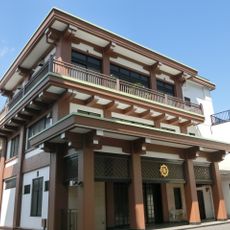
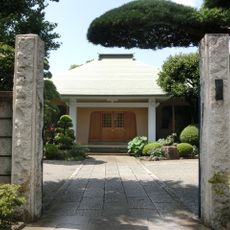
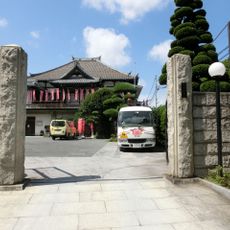
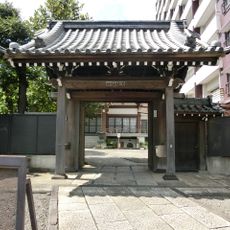
Hikawa Tapınağı, Shinto shrine in Higashi-Nakano, Nakano, Tokyo, Japan
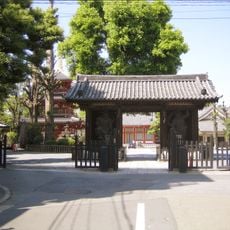
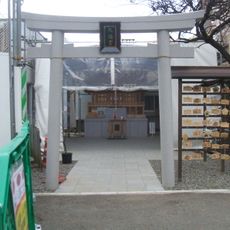
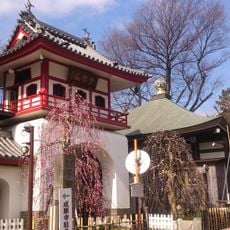
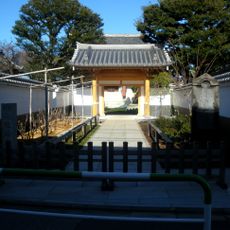
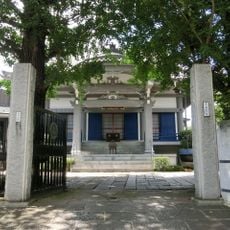
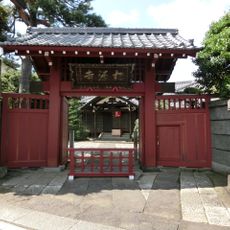
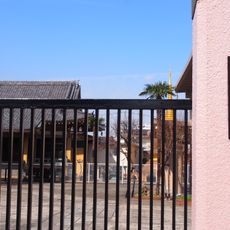
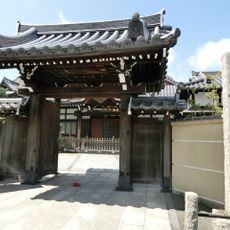
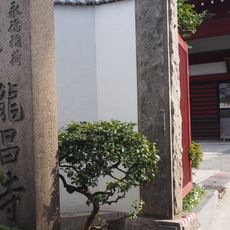
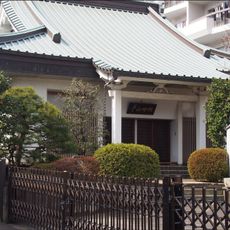
Hikawa Shrine is a Shinto shrine in the Nakano district of Tokyo, built around a traditional wooden hall set on a small paved courtyard. Stone lanterns and a torii gate mark the entrance, while a water basin for ritual hand-washing stands near the main building.
Founded in 1030 when Minamoto no Yorinobu, during his campaign against Taira no Tadatsune, had a shrine built here after receiving a divided deity from Omiya Hikawa Shrine in Musashi Province. In 1477 Ōta Dōkan prayed for victory here before defeating the Toyoshima brothers and later had the shrine hall constructed. The shrine's former administrative temple was Hōsen-ji.
Visitors can watch local people bow, clap twice, and leave small coins at the offering box as part of a daily prayer ritual. This simple gesture, repeated by neighbors on their way to work or school, shows how the shrine stays part of ordinary life in the district.
The shrine is a five-minute walk from JR Higashi-Nakano Station (Chuo-Sobu local line, Toei Oedo line) and seven minutes from Nakano-Sakaue Station (Marunouchi, Oedo lines); Keio buses stop at Miyashita intersection. The grounds sit beside Yamate-dori and Okubo-dori, whose crossing is named Miyashita intersection. Hikawa Park behind the main hall offers a place to sit.
The shrine's name plaque was brushed by General Shigeru Honjō, commander of the Kwantung Army at the time of the 1931 Mukden Incident. It stands as a trace of the prewar years, when so many senior army officers lived in this part of Nakano that the area was nicknamed "military town".
The community of curious travelers
AroundUs brings together thousands of curated places, local tips, and hidden gems, enriched daily by 93,487 contributors worldwide.