Harima Kokubunji, Buddhist temple in Himeji, Japan
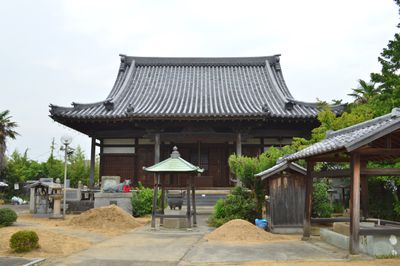
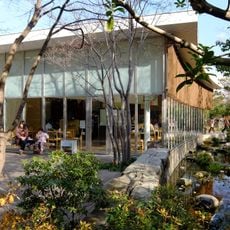
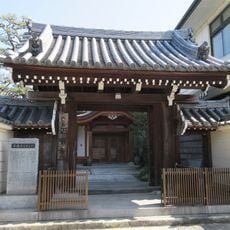
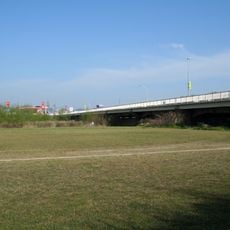
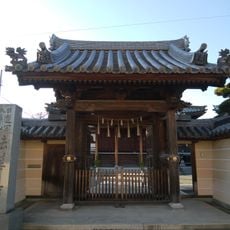
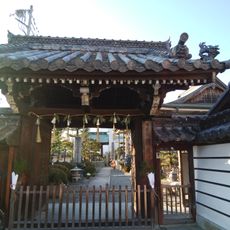
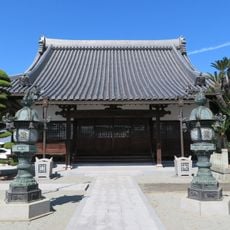
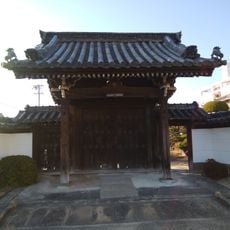
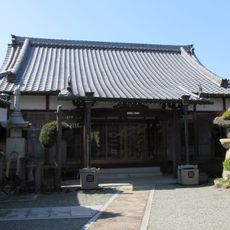
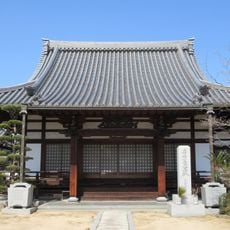
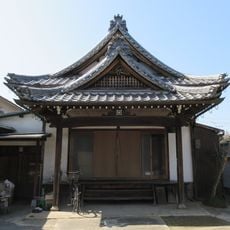
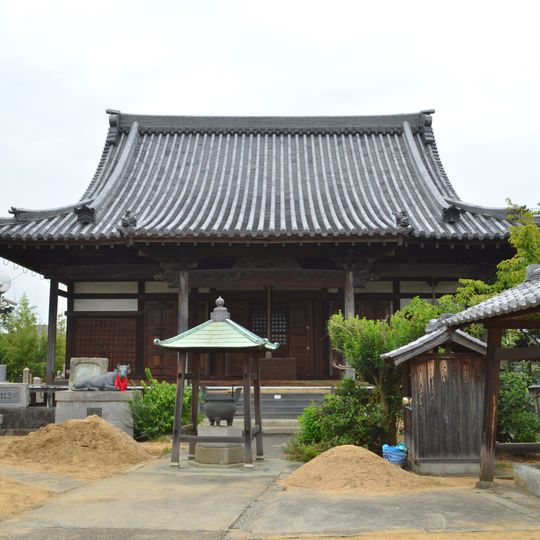
Harima Kokubunji is a Buddhist temple in Himeji, built on a natural river terrace along the left bank of the Ichi River. The site retains the layout of a classic Japanese provincial temple, with distinct areas that once housed a main hall, a pagoda, a lecture hall, and monks' quarters.
Emperor Shomu ordered this temple to be built in 741 as part of a network of provincial temples he established across Japan during the Nara period. Centuries later, the Himeji Domain and then a Shogun provided support that allowed parts of the complex to be rebuilt.
The name "Kokubunji" refers to a type of provincial temple that Emperor Shomu ordered to be built across Japan, and Harima was the one assigned to this region. Visiting today, you can still sense that this was a place meant to serve an entire province, not just a single community.
The site sits on a raised river terrace, so the ground can be uneven and some paths follow traditional access points that were not designed for modern visitors. Comfortable footwear is a good idea, and the open-air layout means that the visit is best enjoyed in dry weather.
Excavations at the site uncovered the original stone foundations of the temple buildings, which allowed researchers to map out the exact arrangement of the ancient complex. These foundations show that the layout followed a set plan used across all provincial temples of the same period, making each site a mirror of the others.
The community of curious travelers
AroundUs brings together thousands of curated places, local tips, and hidden gems, enriched daily by 92,112 contributors worldwide.