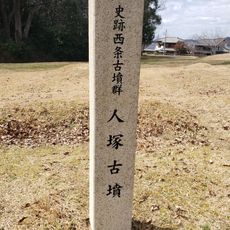
日岡陵古墳, Keyhole-shaped tomb in Kakogawa, Japan
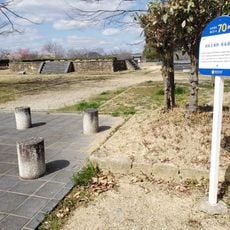
Hioka Tumulus is a keyhole-shaped tomb in Kakogawa with a circular rear section rising approximately 7.5 meters high and a rectangular front section roughly 33 meters wide. The entire structure stretches to about 80 meters in total length.
The monument was built in the 4th century and is believed to hold the remains of Empress Harima Inahi Tairō Himemiko, consort of Emperor Keikō. This burial site marks an important period in early imperial Japanese history.
The site contains stone arrangements along with fragments of pottery and clay figures called Haniwa, which reveal how ancient Japanese people conducted burials and honored their dead. These artifacts show what objects were placed in tombs to accompany people into the afterlife.
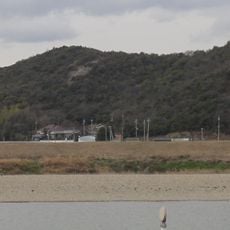
The mound sits on Mount Hioka at the northern edge of the Innami Plateau, making it easy to locate. Visitors can view the monument from outside and explore its distinctive shape from different vantage points.
The tomb takes its name from Mount Hioka where it stands, yet early observers thought it was purely circular in shape. Only through systematic research was it later revealed that the monument actually displays the characteristic keyhole form typical of imperial tombs from this era.
The community of curious travelers
AroundUs brings together thousands of curated places, local tips, and hidden gems, enriched daily by 90,927 contributors worldwide.