Hioka-jinja, Shinto shrine in Japan
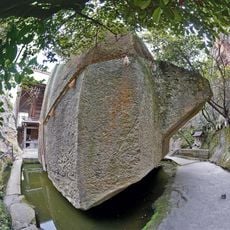
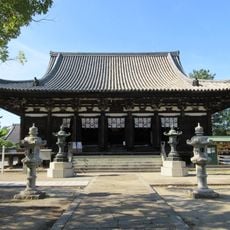
Hioka-jinja sits on the southern slope of Hioka hill on the left bank of the Kakogawa. Its main hall, rebuilt in 1971, is a reinforced-concrete gongen-zukuri structure. Within the grounds stand subsidiary shrines including the larger Iyagawara-Hioka Shrine, moved here in July 1971, plus Takakura, Tenman, Ebisu, Inari, Sumiyoshi and Kumano shrines.
The shrine appears in the Harima Fudoki, compiled around 715, and in the Engishiki register of 927 as Hioska ni masu Ame no Isasahiko shrine, a listed shikinaisha of Kako district. Its documents and buildings burned in 1578; Ikeda Terumasa's line granted it 5 koku in 1601, and the hall was rebuilt in 1764, again in 1870, and after a 1969 fire in 1971.
Locals call the shrine "Hinata-san", "Ono-san" or "Hioka-san". Its name changed from Shōichii Hinata Daimyōjin in the early modern period to Hioka-jinja after the Meiji Restoration. The February Imi-gomori rite re-enacts Ameno-Isasahiko's seven-day seclusion praying for safe childbirth; all sound is banned at the shrine until the closing day, when a target-archery ritual is held.
The shrine is a six-minute walk from JR Kakogawa Line's Hioka Station, and there is a car park. The precinct sits on the south slope of Hioka hill, with the main hall reached from the entrance where the Sumiyoshi and Kumano stone shrines stand. The Haika-mori rite in the second lunar month keeps the grounds silent for several days.
The shrine's name changed in the Meiji era: it was long called Shōichii Hyūga Daimyōjin, and locals still say "Hyūga-san", "Ōno-san" or "Hioka-san". The hill behind it holds the Hioka burial mounds, including the 85.5-metre keyhole tomb linked to the Harima Inabi no Ōiratsume legend.
The community of curious travelers
AroundUs brings together thousands of curated places, local tips, and hidden gems, enriched daily by 94,348 contributors worldwide.