Tōshō-ji Temple, Buddhist temple in Narita, Japan
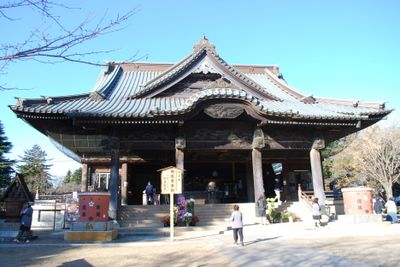
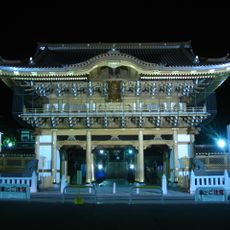
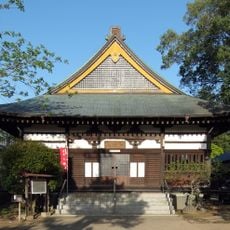
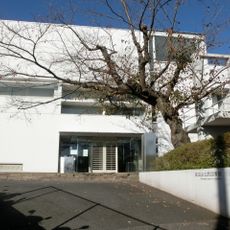
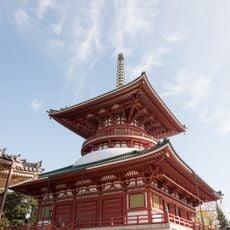
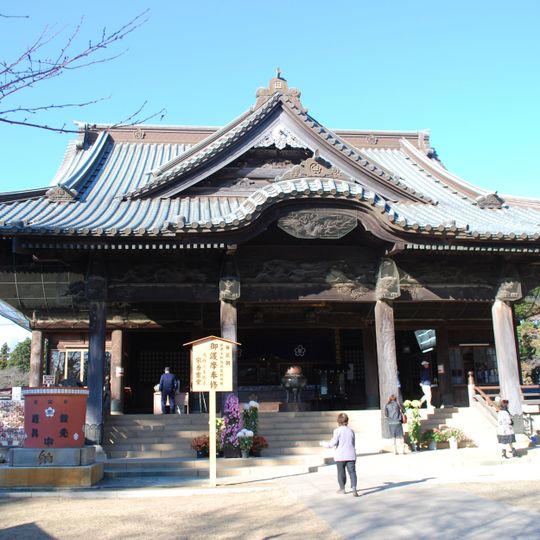
Tōshō-ji is a Shingon Buzan-ha temple in Narita, known as Sogō Reidō because the spirit of the farmer Sogorō Kiuchi is enshrined there. Its main hall honours him rather than the usual Dainichi Nyorai. The grounds hold a Niō gate completed in 1978, a Yakushi Hall, a Shōten Hall housing a Daishō Kangiten image said to have been Tamuramaro's personal Buddha, a bell tower and the Sogō treasure hall.
According to temple tradition, the temple was founded by Sakanoue no Tamuramaro on the orders of Emperor Kanmu, though the founding date is unknown. It was repeatedly damaged by fire and moved between sites; in 1662 the monk Chōyū revived it at Shimokata. A fire destroyed it in 1910, and it was rebuilt at its present location in 1921.
The temple is widely called Sōgo Reidō because it enshrines the spirit of Sakura Sōgorō, the Edo-period farmer remembered for petitioning the shogunate over harsh taxation. A hall on the grounds, the Sōgo Goichidaiki-kan, recounts his life through a three-dimensional panorama of 66 figures. Names carved on the surrounding fence show that kabuki actors donated to the temple after successful runs of the play Sakura Giminden.
Tōshō-ji stands at 1-558 Sōgo, Narita, Chiba Prefecture. The nearest station is Sōgo-sandō on the Keisei Main Line, but the station lies in Shisui, Inba District, not in Narita, so the last stretch is on foot or by local bus. The temple is also known as Sōgo Reidō.
The temple is widely known as Sogō Reidō because the spirit of Sakura Sōgorō, a farmer remembered for petitioning the shogun on behalf of villagers, is enshrined here. The Sogō Goichidaiki-kan recounts his life through a three-dimensional panorama of 66 figures. On the tamagaki fence, the names of kabuki actors who donated after successful performances of the play Sakura Giminden are inscribed.
The community of curious travelers
AroundUs brings together thousands of curated places, local tips, and hidden gems, enriched daily by 93,624 contributors worldwide.