Jindai-ji, Buddhist temple in Sakura, Japan
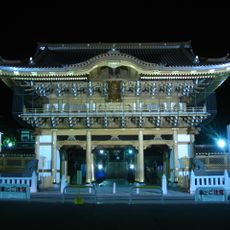
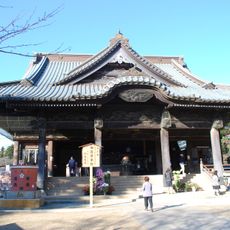
Jindai-ji is a Tendai Buddhist temple in Sakura, Chiba Prefecture, with the mountain name Anjō-san and the cloister name Fugyō-in. Its principal image is a bronze Eleven-Faced Kannon by sculptor Tsuda Shinobu (1875–1946). The temple also venerates Fudō Myōō and Kompira Gongen, whose monthly festival day is the 10th.
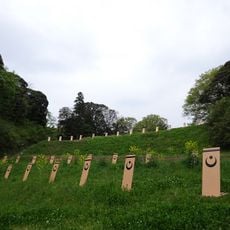
The temple moved to Sakura in 1746 when Hotta Masasuke transferred it from Yamagata Prefecture to serve as the Hotta clan's burial temple. This relocation permanently connected the site to the family's local prominence.
Jindai-ji belongs to the Tendai school of Buddhism. Its name combines the mountain name Anjō-san with the temple name Jindai-ji, and its main image is an Eleven-Faced Kannon. A monthly fair for Kimbira Gongen is held on the 10th of each month, drawing worshippers to the grounds.
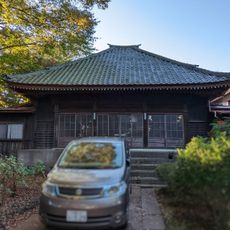
Jindai-ji stands at 78-1 Shinmachi in Sakura, Chiba Prefecture, in a residential district north of Keisei-Sakura Station. The temple grounds are compact and level, with the main hall and the Hotta graves reached along short paved paths. The Kōshin-dō hall holds a monthly Kōshin festival on the 10th of each month, a day when the grounds draw more visitors than usual.
The bronze Eleven-Faced Kannon sculpture was crafted by renowned artist Tsuda Shinobu and displays a sculptural style rarely seen in the region during that period. Many visitors overlook this artistic achievement while walking the grounds.
The community of curious travelers
AroundUs brings together thousands of curated places, local tips, and hidden gems, enriched daily by 94,661 contributors worldwide.