Tōhō Shrine, Shinto shrine in Tōhō, Narita, Japan
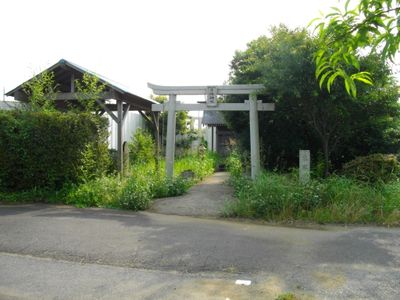
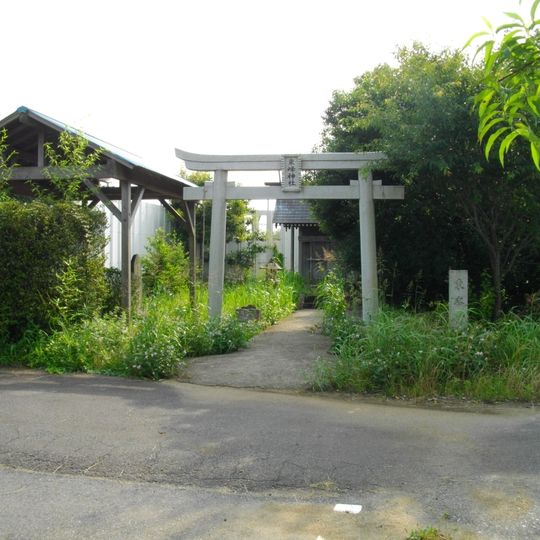
Tōhō Shrine stands in the Tōhō district of Narita, Chiba Prefecture, beside the southern end of Narita International Airport's Runway B. A light gray stone torii with a plaque of vertical Japanese characters marks the entrance; behind it are two stone lanterns, a wooden purification basin without water, and a small 1.5 m² wooden hokora that holds no shintai. Ivory steel fencing with sensors and a guard hut surrounds the grounds.
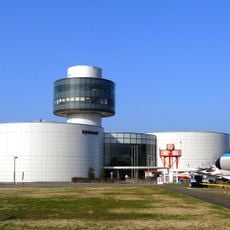
Otojirō Itō, a pioneer of Japanese civil aviation, founded the shrine in 1937 as Kōkū Jinja (Aviation Shrine) inside the grounds of his Itō Aeroplane factory in Tsudanuma, Chiba, to honour eight people who died in aviation accidents, including his eldest son Shintarō and pilot Toyotarō Yamagata. After the war Itō settled as a farmer in Tōhō, and on 23 November 1953 the shrine was moved here. It was renamed Tōhō Shrine and received Ninomiya Sontoku from Kanagawa's Ninomiya Shrine as its deity. In September 2001 it was transferred back to the Aviation Science Museum in Shibayama.
The shrine was long known as Kōkū Jinja, the Aviation Shrine, because it enshrined eight aviators who died in crashes, their names written in ink on a wooden tablet. After the 1953 move to Tōhō it was renamed Tōhō Shrine, yet residents kept the old nickname, and some wondered whether the shrine had drawn the airport to them. It is now revered as the ubusunagami of the Tōhō settlement.
The shrine stands near the southern end of Narita Airport's Runway B (34R), surrounded by airport land and a double ivory steel fence with sensors and a guard post. Reach it by leaving the NAA access road onto the Narita city road; the nearest bus stop is Shinden/Tōhō, a short walk away. The stone basin by the small wooden hokora holds no water, so you cannot purify your hands there.
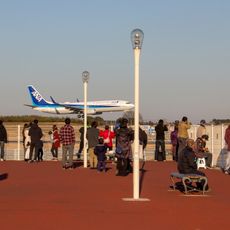
The shrine's grounds sit inside the perimeter of Narita International Airport, beside the south end of Runway B (34R). Ivory steel fences with barbed wire and motion sensors enclose the small wooden hokora, and airport roads circle the site. The shrine became a symbol of the anti-airport Sanrizuka struggle, and a 2014 documentary poster shows a JAL airliner passing over it.
The community of curious travelers
AroundUs brings together thousands of curated places, local tips, and hidden gems, enriched daily by 93,609 contributors worldwide.