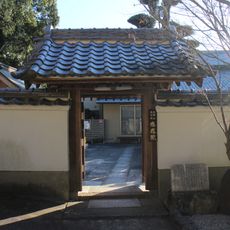
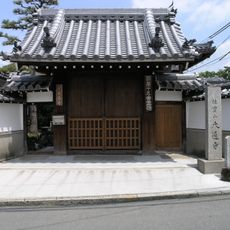
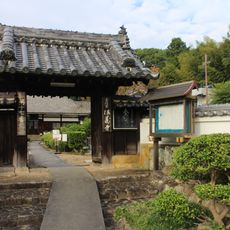
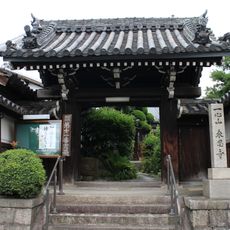
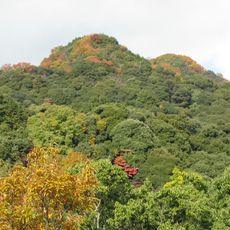
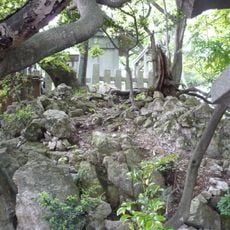
Mizunomi jizouin, Buddhist temple in Yao, Japan.
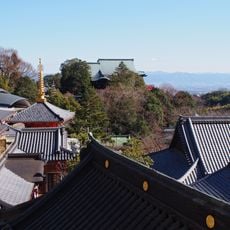
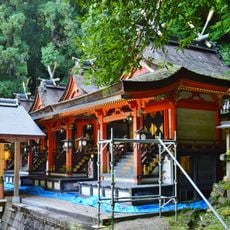
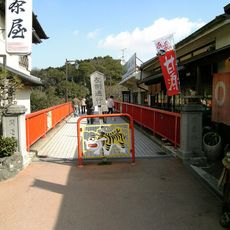
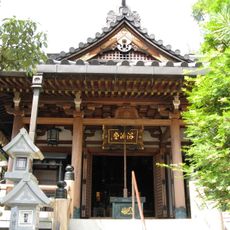
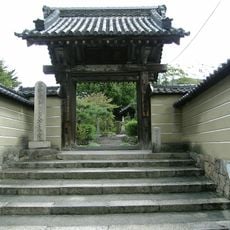
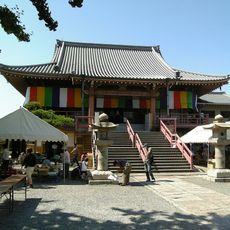
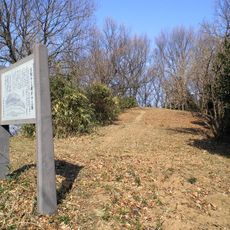
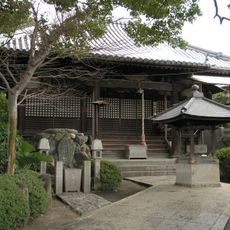
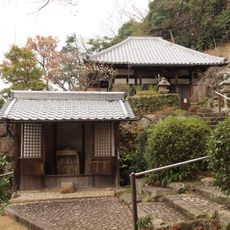
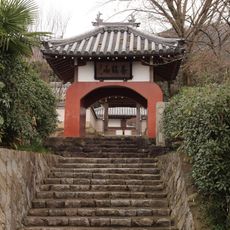
Mizunomi Jizouin is a Jizo hall on the slope of the Thirteen Pass road in northeastern Yao, about eight-tenths of the way up to the pass. Its main hall projects out from the hillside, with a bell tower to the north and a small hall for Kobo Water to the south. The main hall enshrines a stone Jizo Bodhisattva statue and looks out over a wide stretch of the Osaka Plain.
According to the temple's origin record, the monk Ichien enshrined a stone Jizo bodhisattva here in 836 (Jōwa 3). The image now in the hall was carved in 1694 (Genroku 7), replacing the original. The site lies on the old Thirteen Pass road above the Kandatsu district of Yao.
The temple is known for the Kōbō water, a spring in a small hall south of the main hall, said to have been obtained by Kūkai's prayer for travelers crossing the Jūsan Pass. People still come to draw the water, believed to help with beriberi. Along the old road from the Kamidachi junction, 33 sites with 66 Jizō statues stand at regular intervals.
The temple stands about eight-tenths of the way up the Jusan Pass road in northeastern Yao; a car park is available, but motorcycles and mopeds are not allowed on the approach road. The main hall projects out from the slope, with the bell tower to its north and the Kobo water chapel to its south. From the hall the Osaka Plain opens out below.
The name comes from the spring in the small hall south of the main hall: water said to have been obtained by Kukai (Kobo Daishi) through prayer for travellers crossing the Jusan Pass. It is called Kobo-sui, and people still come to draw it, believing it helps with beriberi.
The community of curious travelers
AroundUs brings together thousands of curated places, local tips, and hidden gems, enriched daily by 94,124 contributors worldwide.