Seiryū-ji Temple, Buddhist temple in Nemuro, Japan
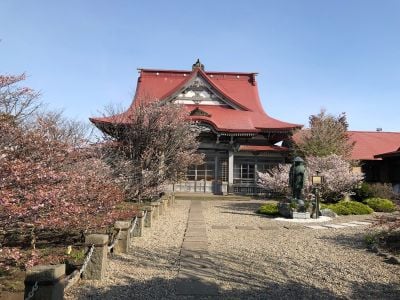
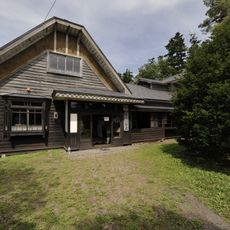
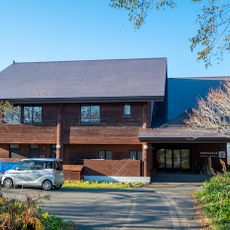
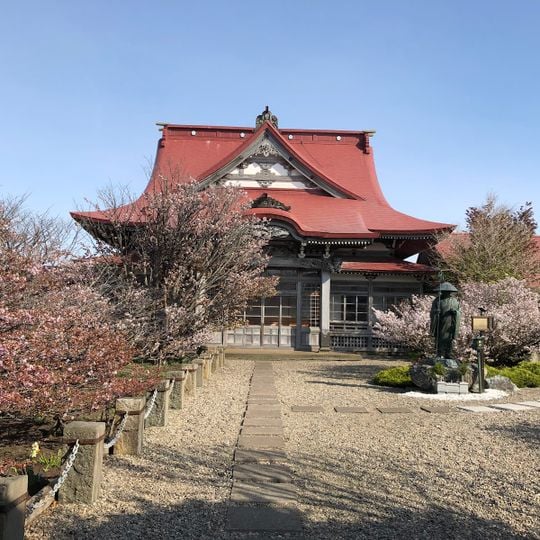
Seiryū-ji is a Shingon Chizan school temple in Nemuro, Hokkaido, founded in 1892. Its main image is a Fudō Myōō statue supplied by Chishaku-in, the school's head temple. The grounds also hold a Jōbon Amida statue consecrated in 1700, brought from Jōbon Rendaiji, and a Jizō Bodhisattva statue made in the Tenpyō era. A Chishima cherry tree transplanted from Kunashiri Island grows on the grounds.
Founded in 1892 (Meiji 25), when its temple name was formally adopted and the eye-opening consecration was held under Abbot Takashi Dairyo of Daiden-in. Its main image, Fudō Myōō, was supplied by the head temple Chishaku-in. The temple also holds a Jōbon Amida statue consecrated in 1700 (Genroku 13), brought from Jōbon Rendaiji, and a Jizō Bodhisattva image made in the Tenpyō era.
Seiryū-ji is the 22nd stop on the Hokkaido Thirty-Three Kannon Pilgrimage, a route of temples across the island. Its grounds hold a Chishima cherry brought from Kunashiri Island, said to be the last cherry to bloom in Japan. The main image is a Fudō Myōō statue supplied by Chishaku-in, head temple of the Chisan branch of Shingon Buddhism.
Seiryū-ji stands in Nemuro, eastern Hokkaido, where winters bring snow and cold; the grounds are visited year-round but paths are easiest in the warmer months. The temple is the 22nd stop on the Hokkaido Thirty-Three Kannon Pilgrimage, so pilgrims and visitors may arrive for that circuit. The main image, a Fudō Myōō, is the object of veneration in the hall.
The cherry trees in the grounds were brought from Kunashiri Island, and their blossoms open later than any other cherry trees in Japan. The trees are Chishima-zakura, a variety tied to the northern islands. Visitors who arrive expecting the usual Hokkaido bloom season often miss the flowers entirely.
The community of curious travelers
AroundUs brings together thousands of curated places, local tips, and hidden gems, enriched daily by 94,045 contributors worldwide.