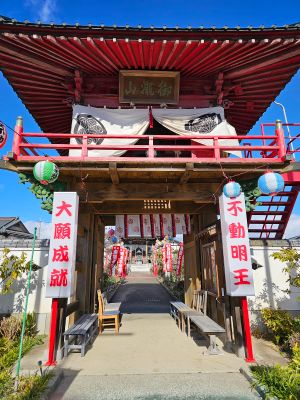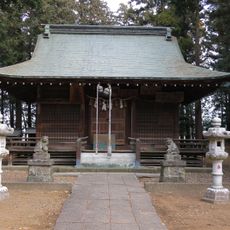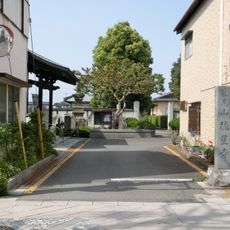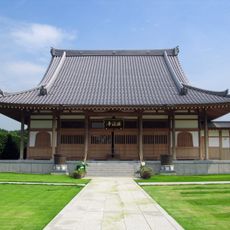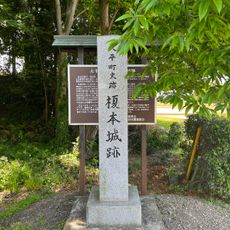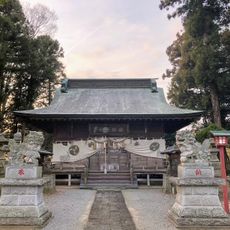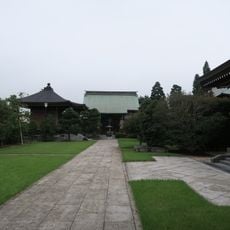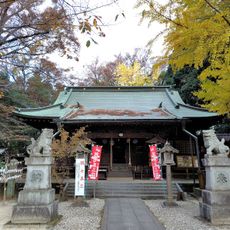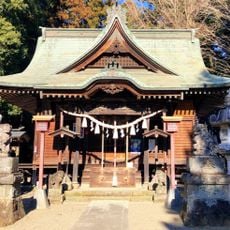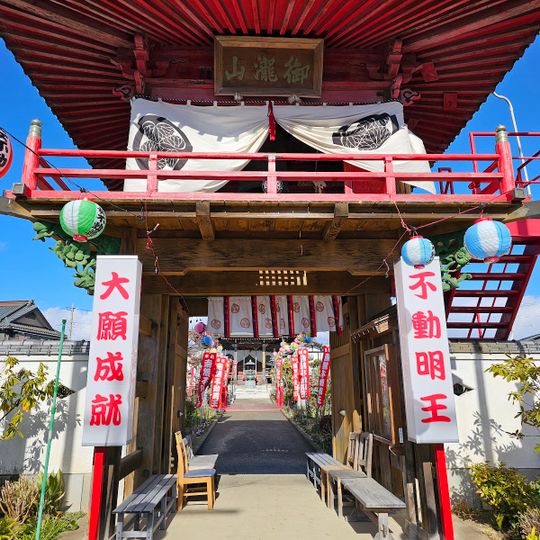
Senryū-ji Temple, Buddhist temple in Oyama, Japan.
Senryū-ji is a Shingon-shū Buzan-ha temple in Oyama, known as Otome Fudōson. Its main image, a 1.5-metre standing statue of Fudō Myōō, is a hibutsu kept behind closed doors in the Fudō-dō. The grounds include a Jizō-dō with a stone Jizō carved in 1700 and a Fudō-ike pond used for ascetic water rituals.
Founded in 1333, the temple burned in 1351 and was rebuilt in 1382, only to be destroyed again during Ashikaga Ujimitsu's campaign against Oyama Yoshimasa. It moved three times: from Otono Kanzawa to Fudōhara, in the Daiei era to Otono Nishidate along the Nikkō Kaidō, and back to Fudōhara in the Shōwa era. In 1606 the Edo shogunate granted it temple lands.
The temple is known as "Otome Fudōson", and its name Senryū-ji comes from a legend that a clear spring welled up here and cured an epidemic. Every 28th of the month is the deity's day, and the main image is shown only once every 25 years, in the year of the Horse; the 13th opening ran from 6 to 8 April 2002, and the next is planned for spring 2026.
The temple grounds are accessible to visitors who should dress respectfully and remove shoes when entering buildings. Checking opening hours in advance is helpful, and sturdy footwear is useful since temple paths and grounds can be uneven.
The main image of Fudō Myōō, a standing figure about 5 shaku tall, has been kept hidden since 1714 and is shown only once every 25 years, in the year of the Horse; the 13th opening was held on 6–8 April 2002, and the next is planned for spring 2026.
The community of curious travelers
AroundUs brings together thousands of curated places, local tips, and hidden gems, enriched daily by 93,395 contributors worldwide.