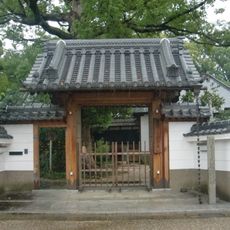
Inano Shrine, Shinto shrine in Itami, Hyogo, Japan
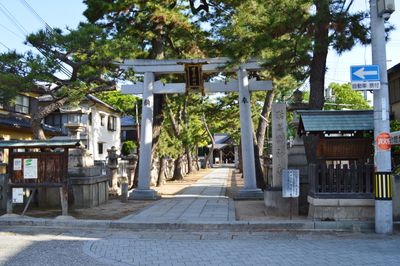
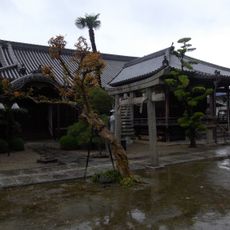
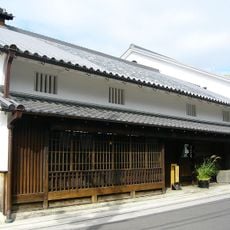
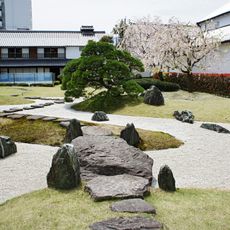
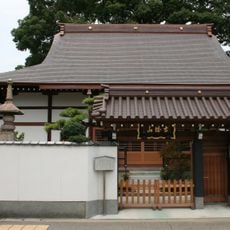
Inano Shrine is a small Shinto site located in a quiet neighborhood of Itami city, set among greenery and mature trees. The grounds feature simple traditional wooden buildings, stone lanterns near the entrance, and a paved path leading to a modest main hall where visitors offer their prayers.
Legend places its founding at Inadera (now in Amagasaki) during the reign of Emperor Kōtoku (645–654); it was moved to this site in 904. In 1574 Araki Murashige rebuilt Itami Castle as a fortified jōkamachi, and the shrine stood inside the northernmost outwork, the Kishi-no-toride, which fell in the 1579 siege. Konoe Motohiro rebuilt the shrine in 1685, and the honden dates from 1686.
The shrine was the tutelary deity of Itami and was long called Nonomiya, Tennomiya or Ushito Tennomiya before taking its present name in 1869. Its autumn festival was a town-wide event; a three-scroll picture scroll, the Inano Shrine Shinkō Emaki, records the 1703 procession to the otabisho in Inadera, and the third scroll was painted by Tamate Takeshi in 1898.
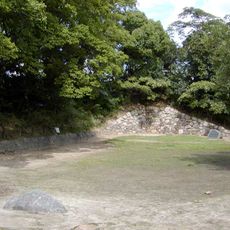
The grounds lie in Miyamae, Itami, at the northern edge of the old Itami town; the Keishi-no-toride earthwork runs behind the honden and along the west side. The whole precinct is a national historic site, and a small park with a sumo ring sits inside it. Look for the 97 stone lanterns and the large mukuroji tree, about 13.5 m tall and over 200 years old.
The whole shrine precinct is a nationally designated historic site (1979) because the northernmost bastion of Araki Murashige's 1574 Itami Castle, Kishi-no-toride, stood here; Watanabe Kandayu defended it until it fell in 1579. Earthworks of the bastion survive behind the honden and along the west side of the grounds.
The community of curious travelers
AroundUs brings together thousands of curated places, local tips, and hidden gems, enriched daily by 94,302 contributors worldwide.