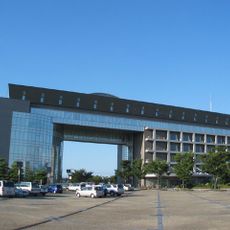
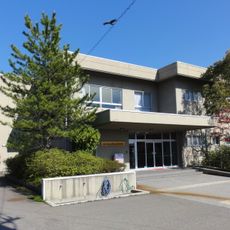
Ishikawa Insect Museum, Entomological museum in Hakusan, Japan
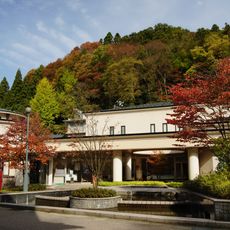
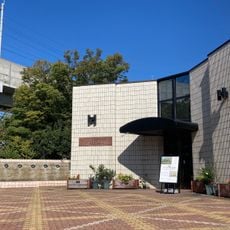
The Ishikawa Insect Museum is a prefectural museum in Hakusan, Ishikawa Prefecture, opened on 22 July 1998. It displays about 1,600 insect specimens across sections such as insects in nature, insect distribution, insect wisdom, insect watching, the Mushi Mushi House, the Butterfly Garden, insects and daily life, and insects of Ishikawa Prefecture. The Butterfly Garden is a heated greenhouse, the largest of its kind on the Sea of Japan side, where about 1,000 butterflies of roughly 10 species fly year-round.
The facility opened in 1998 with a mission to teach visitors about insect diversity and their roles in nature. It has since become an important center for environmental education in the region.
The museum's name, Ishikawa Prefecture Fureai Insect Museum, uses the word fureai, meaning "contact" or "interaction," reflecting its aim of letting visitors learn about nature by touching and observing insects. The butterfly greenhouse, called "Chō no Sono" (Butterfly Garden), is the largest of its kind on the Sea of Japan coast and holds about ten species and a thousand butterflies year-round.
Plan your visit during daytime when butterflies are more active and the greenhouse offers better lighting for observation and photos. The museum is accessible and a typical visit lasts about 1 to 2 hours depending on how much time you spend observing the exhibits.
The museum has bred the world's largest diving beetle, the rare Dytiscus latissimus (native to Latvia), since November 2019, together with Aquamarine Inawashiro and the Hokuto City Giant Purple Butterfly Center. It was the first facility in Japan to do so and achieved the country's first adult emergence in June 2020.
The community of curious travelers
AroundUs brings together thousands of curated places, local tips, and hidden gems, enriched daily by 93,599 contributors worldwide.