Akitsuneyama Kofun Cluster, Ancient burial mounds in Nomi City, Japan.
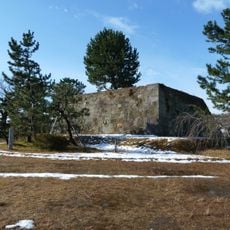
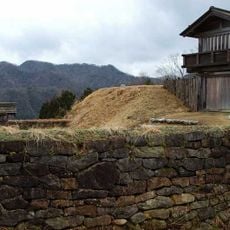
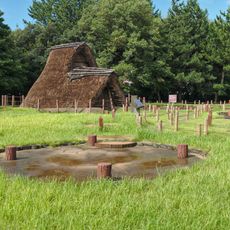
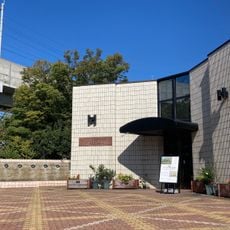
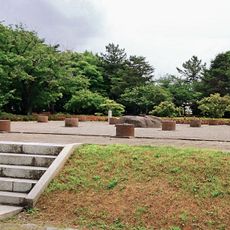
Akitsuneyama Kofun Cluster consists of two mounds on the Chausuyama and Emoriyama hills in Nomi, Ishikawa. Kofun No. 1 is a keyhole-shaped tumulus with a reconstructed three-tiered form, about 141 meters long, 19 meters high, and faced with locally sourced rhyolite and andesite cobbles. Kofun No. 2 is a square mound measuring 32.5 by 27 meters, with a reconstructed haniwa display and an exhibition room for its burial facility.
Kofun No. 1 was built in the fourth quarter of the 4th century and is the largest keyhole-shaped mound in the Hokuriku region, measuring 141 m. It lay undiscovered until 1984 because it was covered by trees within the grounds of Akitsu Hachiman Shrine. Kofun No. 2, a square mound, dates to around the mid-5th century. The cluster was designated a national historic site in 1999 and integrated into the Nomi Kofun Cluster in 2013.
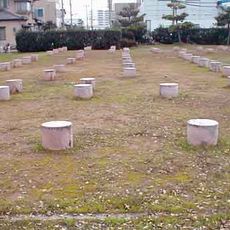
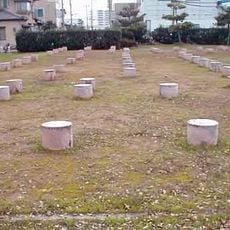
The burial structures reveal social ranking through their varied sizes and shapes arranged across the land. You can observe how the layout reflects the status of those buried within by noticing which mounds stand more prominently.
The site is best reached by public transport since Nomi has good railway connections. Information boards are present at the location, and sturdy shoes are recommended as the terrain is natural and uneven.
Ground-penetrating radar technology revealed a burial chamber in Kofun No. 1 containing a wooden sarcophagus longer than 8 meters. This discovery was possible because the mound was hidden beneath dense vegetation for centuries, which helped protect the contents.
The community of curious travelers
AroundUs brings together thousands of curated places, local tips, and hidden gems, enriched daily by 95,334 contributors worldwide.