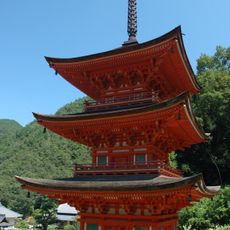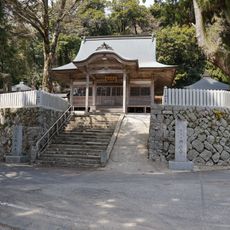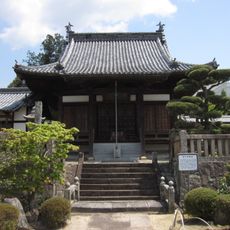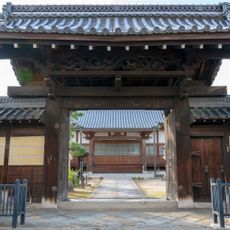
Sōja Shrine, Shinto shrine in Japan
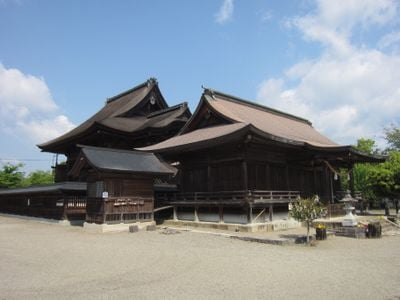
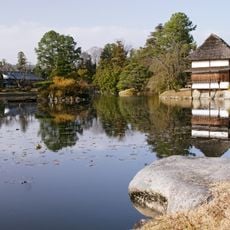
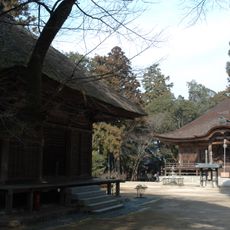
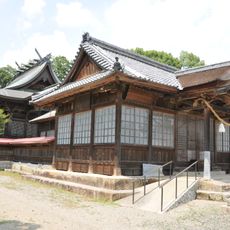
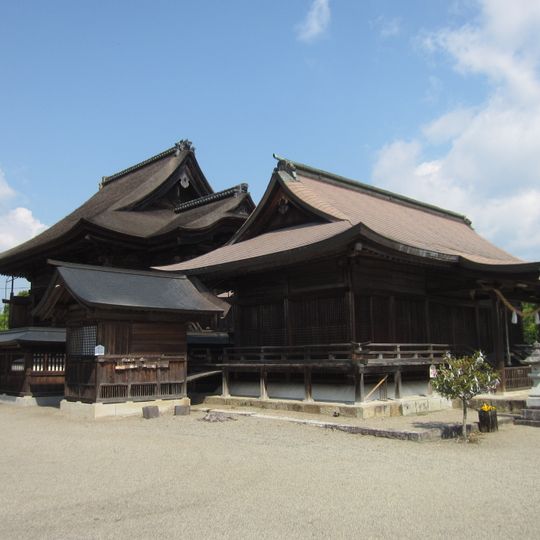
Sōja Shrine is a Shinto shrine in Tsuyama that gathers multiple regional spirits in one sacred place for communal worship. The main building showcases the Nakayama-zukuri architectural style, featuring a simple roof design and well-maintained wooden structure with traditional proportions.
The shrine originates from the Heian period around 1099, serving as a central gathering place where provincial governors could perform regional ceremonies and rituals. This arrangement simplified administrative duties, as officials no longer needed to visit numerous scattered shrines to fulfill their spiritual obligations.
The shrine honors Ōkuninushi, a deity revered by the local community for bringing good fortune and harmony into daily life. Visitors witness how residents gather here during festivals to celebrate with traditional music, dance, and offerings that strengthen community bonds.
Visitors should purify themselves at the water basin before approaching the main hall and follow traditional customs of ringing the bell and bowing respectfully. The shrine sits in a quiet area of Tsuyama accessible by foot through paved paths lined with trees, making it easy to navigate and enjoy at a leisurely pace.
The shrine held official Ken-sha status until 1946, a ranking that recognized its regional importance among all shrines in its province. This distinction was altered by the Shinto Directive issued after World War II, which reorganized the status of many shrines across Japan.
The community of curious travelers
AroundUs brings together thousands of curated places, local tips, and hidden gems, enriched daily by 91,096 contributors worldwide.