篠山貝塚, Archaeological site in Tochigi, Tochigi Prefecture, Japan
Shinoyama Shell Mound is a Jōmon-period settlement site with a shell mound in Fujioka, Fujioka-machi, Tochigi, Tochigi Prefecture, on the west side of the Watarase Retarding Basin. The mound was originally horseshoe-shaped, about 100 m north-south and 70 m east-west, made up mainly of freshwater Yamato corbicula shells together with oyster and turban shells. Pottery is of the early Kantō Sekiyama type, and deer and wild boar bones, bone and antler needles and harpoons, and shell bracelets have been found.
The site shows evidence of human occupation from very early periods, with artifacts reflecting the development of pottery-making techniques. The layered deposits indicate the location was inhabited and used repeatedly over a long span of time.
The mound is named after Shinoyama in Fujioka, Tochigi, and lies beside the Watarase floodplain. Its shells are mostly freshwater Yamato corbicula, with oyster and turban shells showing marine contact. Excavated shell bracelets and bone needles and harpoons made from deer and boar bone show craftwork beyond food gathering.
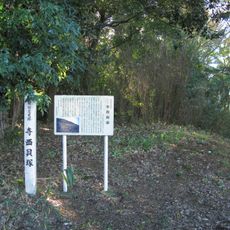
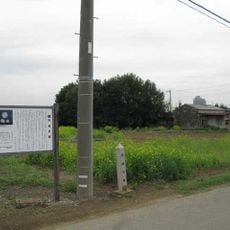
The mound lies beside the embankment of the Watarase Retarding Basin in Tochigi City's Fujioka area; part of the site was destroyed by levee works, but over half remains and shells are visible on the ground surface. There are no visitor facilities, so the site is viewed from outside.
The mound lies at the innermost reach of the ancient Tokyo Bay, which during the Jomon period extended as far as present-day Koga; at high tide seawater reached the front of the site. Its shells are mainly freshwater Yamato corbicula, with oysters and turban shells also present.
The community of curious travelers
AroundUs brings together thousands of curated places, local tips, and hidden gems, enriched daily by 93,667 contributors worldwide.