Inari-kiō Shrine, Shinto shrine in Kabukichō, Shinjuku, Tokyo, Japan
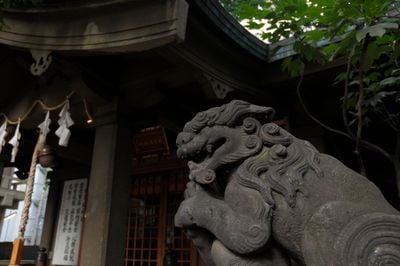
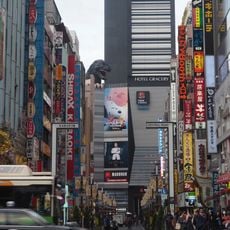
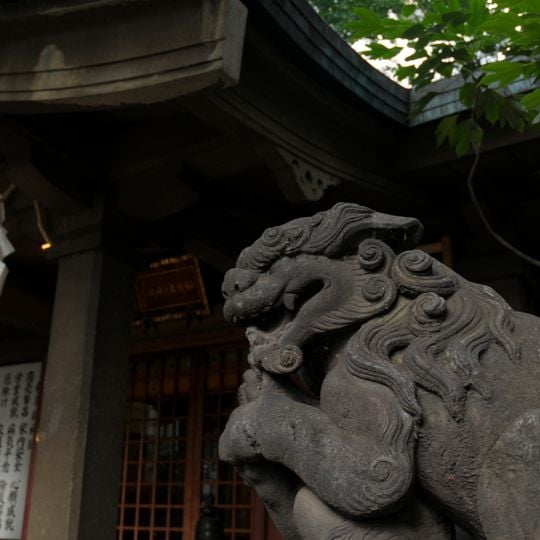
Inari-kiō-jinja is a Shinto shrine located in the Kabukichō neighborhood of Tokyo, Japan. This small sanctuary features traditional shrine architecture with a calm atmosphere set apart from the busy area surrounding it.
The shrine began in 1653, when the Fussa Inari of Suwa Shrine was transferred to Ōkubo village as its tutelary deity. In 1752 Tanaka Seiemon, cured of illness, invited the Kiō Gongen from Kumano in Kishū. In 1831 the two deities were merged under the name Inari-kiō-jinja; since the Kumano Kiō Gongen no longer exists, it is Japan's only shrine bearing the name "Kiō".
The shrine is known for its "nade-mamori" amulet, granted for skin ailments and other illnesses: worshippers rub the affected part with it after offering tofu and abstaining from tofu until cured, a practice called "tofu-dachi". At Setsubun the bean-throwing chant here is "Fuku wa uchi, oni wa uchi" — good fortune in, demons in — since the oni is honoured as a spring deity. The Ebisu festival of Mishima Shrine on 19–20 October sells bettara-zuke pickles, said to bring financial luck.
The shrine stands about 400 metres south-east of JR Shin-Ōkubo Station, in Kabukichō 2-chome. The Fujizuka mound inside the grounds was split in two when the shrine hall was rebuilt in 1968, and the Asama Shrine sits on its summit, built of stones collected from across Japan. Visitors rub the part of the body they wish healed with the nade-mamori charm.
The shrine is the only one in Japan bearing the name "Kiō" (demon king), since the Kumano Kiō Gongen it honours no longer exists elsewhere. Its festival mikoshi is carved with demon faces, and at Setsubun worshippers chant "fortune in, demons in", treating the demon as a spring deity.
The community of curious travelers
AroundUs brings together thousands of curated places, local tips, and hidden gems, enriched daily by 93,444 contributors worldwide.