Wakamiya Hachimangū, Shinto shrine in Kyoto Prefecture, Japan
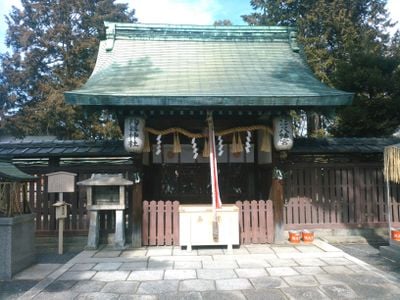
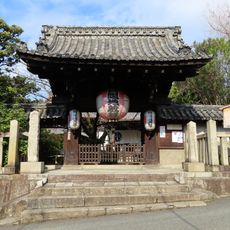
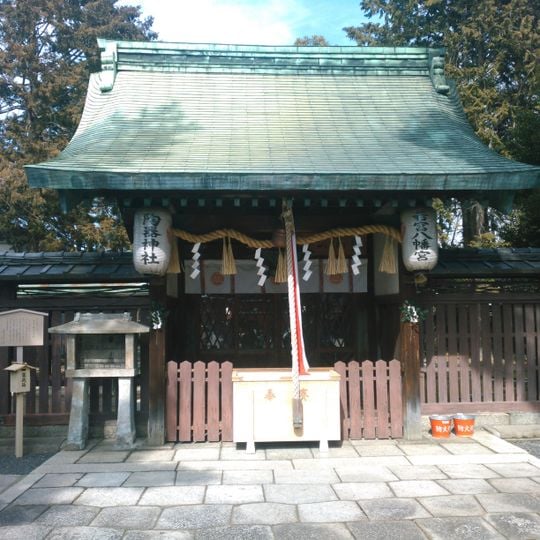
Wakamiya Hachiman-gū is a Shinto shrine in Kyoto with simple main buildings surrounded by smooth stone paths worn by centuries of visitors. Around the central hall stand smaller shrines dedicated to other deities, stone lanterns, and offering tables where flowers and candles are placed.
Founded in 1053, the shrine endured centuries of history including war and destruction, particularly during the Onin War, before being relocated to its current site after 1605. During the samurai era, renowned generals and noble families such as the Ashikaga visited to make offerings of sacred treasures and seek divine favor.
The shrine honors a deity of pottery, and local craftspeople come here to seek blessing for their work in this traditional craft. During the August ceramic festival, visitors can see this living connection between the shrine and the artisans who work in the surrounding neighborhood.
Wear comfortable shoes as exploring the shrine involves walking over stone paths and entering multiple smaller shrines on the grounds. The site is open year-round, but expect larger crowds during the ceramic festival in August.
The shrine has no parishioners of its own: because it was moved three times, it lost its fixed community of worshippers. Its grounds also hold a small hall to Shōki, the demon-queller, founded on 1 December 2013 and described as Japan's first shrine dedicated to him; his image faces northeast, the direction of evil.
The community of curious travelers
AroundUs brings together thousands of curated places, local tips, and hidden gems, enriched daily by 94,370 contributors worldwide.