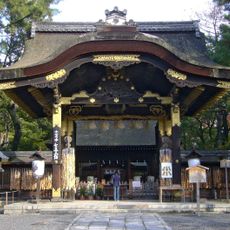
Rokuharamitsu-ji, Buddhist temple in Higashiyama-ku, Kyoto, Japan
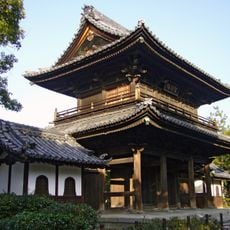
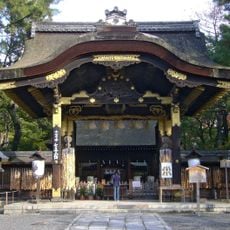
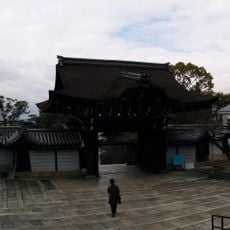
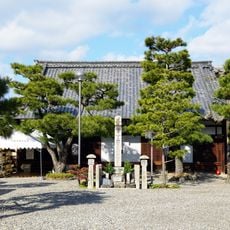
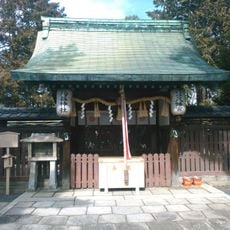
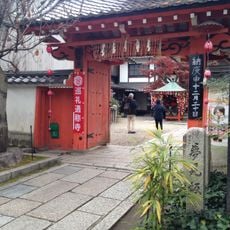
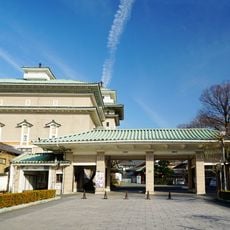
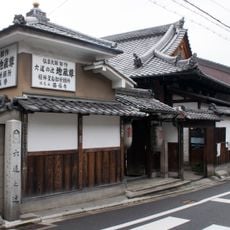
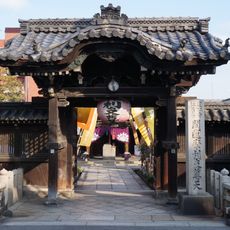
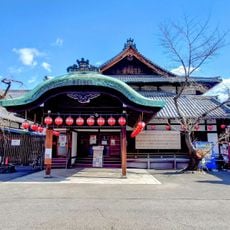
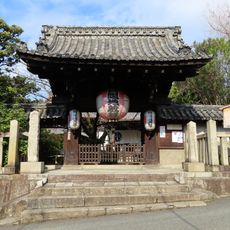
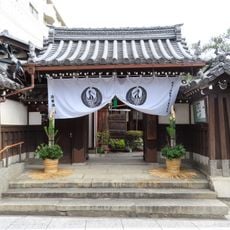
Rokuharamitsu-ji is a Buddhist temple in Higashiyama-ku, Kyoto, Japan, that houses ancient halls, stone monuments, and several Buddhist statues. The main hall shows architecture from the Kamakura period and gives a sense of traditional temple construction from that era.
The temple began as Saikō-ji, founded around the Eleven-Faced Kannon that Kūya had made in 951; some date its founding to his 963 sutra assembly on the Kamo River. In 977 the monk Chūshin renamed it Rokuharamitsu-ji and placed it under the Tendai school. Taira no Kiyomori absorbed it into the clan's Rokuhara residences, burned in 1183; the main hall was rebuilt in 1363.
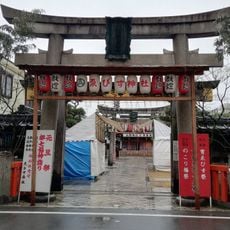
The temple serves as the 17th station on the Saigoku Kannon pilgrimage route and as part of the Miyako Shichifukujin path through the city. Pilgrims come here seeking fortune and spiritual guidance while continuing religious traditions that have been maintained for centuries.
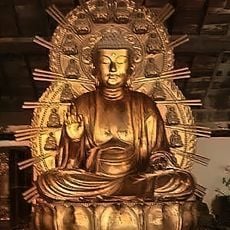
The temple stands in a residential district about seven minutes on foot from Kiyomizu-Gojo Station on the Keihan line, or seven minutes from the Shimizu-michi bus stop. The main hall, rebuilt in 1363, has a boarded outer sanctuary and a lower earthen inner sanctuary. The treasure hall holds the temple's Buddhist statues.
An eleven-faced Kannon statue created by Kūya in 951 stands in the temple and opens for public viewing only once every twelve years. This rare ceremony attracts many believers who wish to see one of the oldest religious sculptures in Japan.
The community of curious travelers
AroundUs brings together thousands of curated places, local tips, and hidden gems, enriched daily by 94,049 contributors worldwide.