Hōkō-ji, Buddhist temple in Higashiyama-ku, Kyoto, Japan
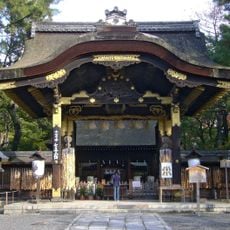
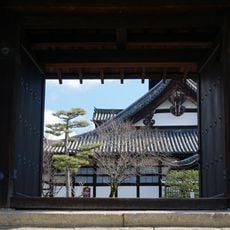
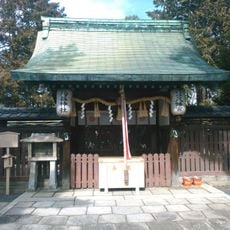
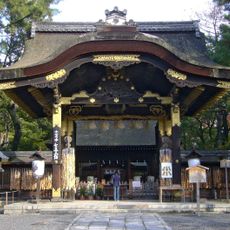
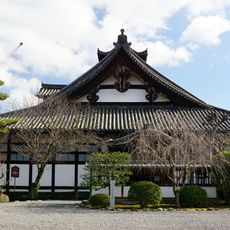
Hōkō-ji is a Tendai Buddhist temple in Higashiyama-ku, Kyoto, founded by Toyotomi Hideyoshi in 1595 to house a Great Buddha. The main hall has a broad, sloping roof of dark grey ridged tiles with a round ornament at the lower corner. Below, dark timber posts and beams frame white plaster walls, with a wooden lattice window of pale square panes on the left and a deeply recessed central bay fronted by a low step and raised veranda.
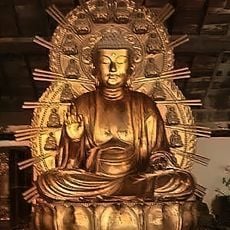
Toyotomi Hideyoshi vowed in 1586 to build a Great Buddha for Kyoto, and the hall was completed in 1595 with a wooden statue about 19 metres tall. An earthquake wrecked it in 1596; Toyotomi Hideyori sponsored a bronze replacement and a great bell, cast in 1614. Earthquakes and lightning destroyed later halls in 1662 and 1798, and a reduced fourth Buddha burned in 1973.
The bell carries an inscription that sparked tension between the Toyotomi family and the Tokugawa shogunate in the early 1600s. The wording was interpreted as a political challenge and played a role in the conflicts of that era.
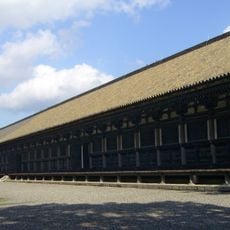
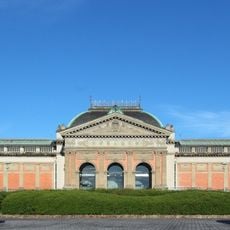
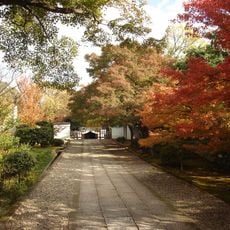
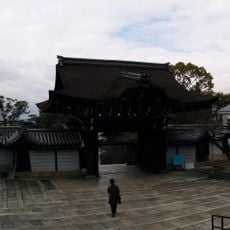
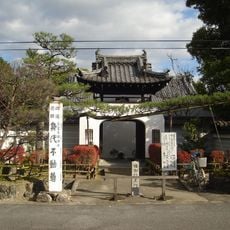
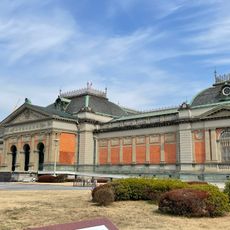
The temple stands in Higashiyama-ku, near the site once occupied by the Daibutsu-den, whose foundations were excavated; the Kyoto National Museum and Sanjūsangendō lie in the surrounding Daibutsu district. The present precinct is small and is visited on foot. The bronze bell cast in 1614 is the main object to see.
The temple bell, cast in bronze in 1614 under Toyotomi Hideyori, bears the inscription "Kokka ankō". Tokugawa Ieyasu claimed the characters of his name were split by the word for peace, a pretext for the siege that ended the Toyotomi line.
The community of curious travelers
AroundUs brings together thousands of curated places, local tips, and hidden gems, enriched daily by 93,338 contributors worldwide.