Kyoto National Museum, National museum in Higashiyama district, Kyoto, Japan.
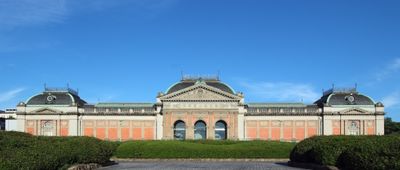
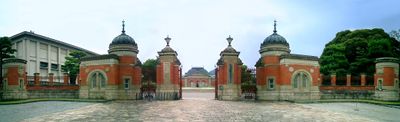
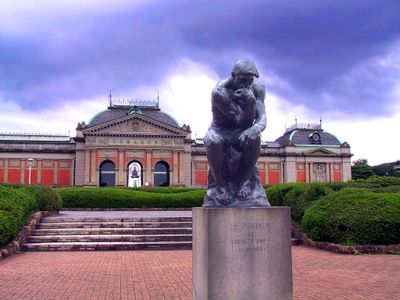
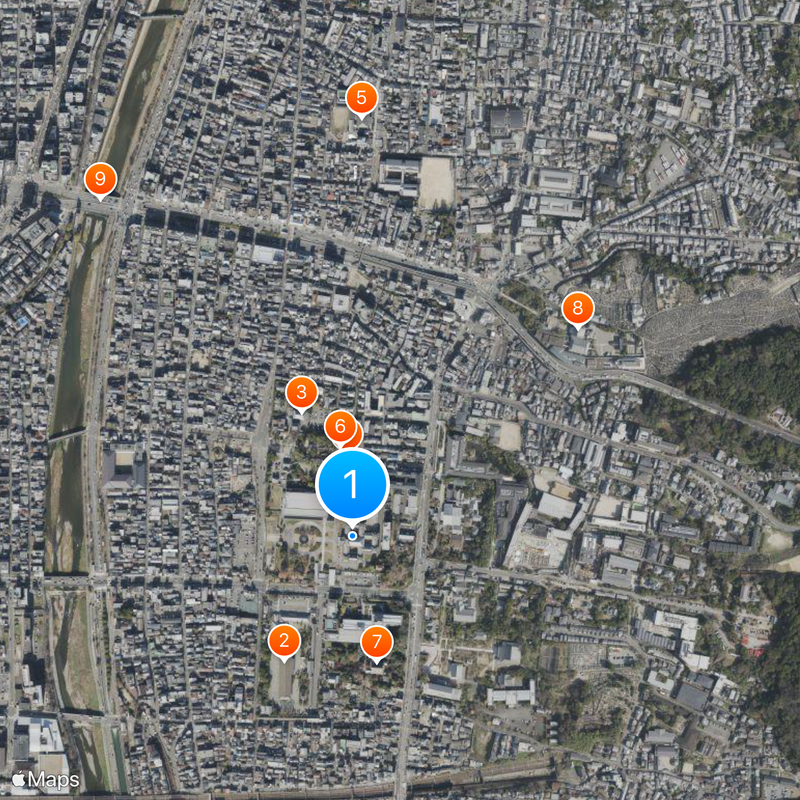
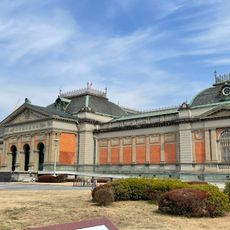
Kyoto National Museum is a national museum in the Higashiyama district of Kyoto, Japan, with a main building of red brick designed in French Renaissance style. The collection covers Japanese art and cultural objects from several periods, displayed across two structures on the grounds.
Emperor Meiji ordered the founding of the museum in 1897 to preserve religious art and other treasures from temples and shrines across Kyoto and make them accessible to the public. Architect Katayama Tokuma designed the main building using a European model, representing a new architectural direction in Japan at the time.
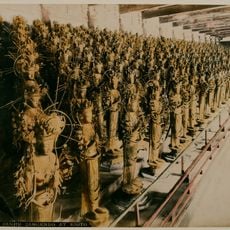
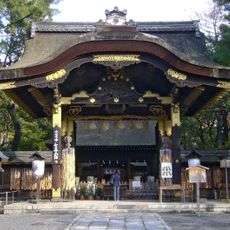
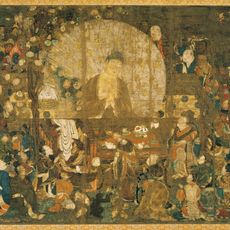
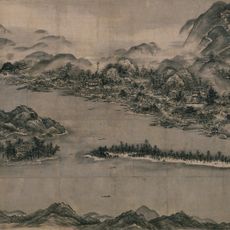
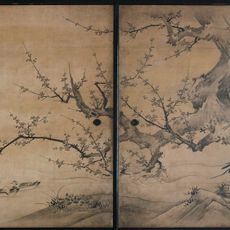
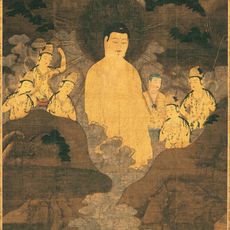
Since opening, the institution has gathered works from over a thousand years of Japanese art history, especially sculptures, paintings, ceramics, and textiles from Kyoto and the surrounding region. Visitors today see objects once kept in Buddhist temples or Shinto shrines, many of which were shown only on special occasions in their original settings.
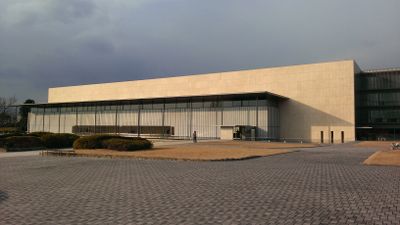
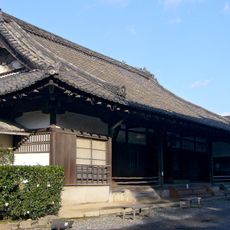
The older Meiji Koto-kan building hosts rotating special exhibitions, while the newer Heisei Chishin-kan holds the permanent display, both open daily from 9:30 to 17:00. Some works are shown only during certain seasons, so checking the current program before visiting is worthwhile.
Many of the objects on display remain property of the temples and shrines that lend them for long periods, so the museum acts as a bridge between religious communities and visitors. This arrangement allows fragile or sacred works to be shown under controlled conditions without permanently removing them from their spiritual context.
The community of curious travelers
AroundUs brings together thousands of curated places, local tips, and hidden gems, enriched daily by 60,000 contributors worldwide.