Kannon-ji, Buddhist temple in Tsushima, Japan
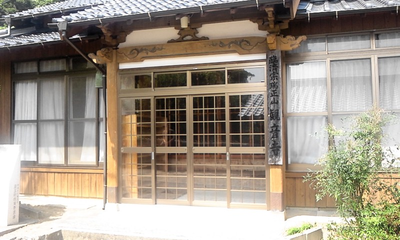
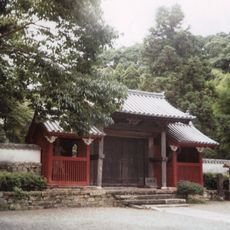
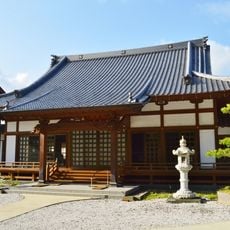
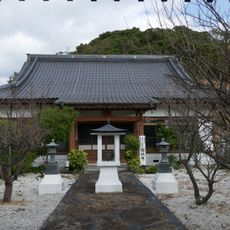
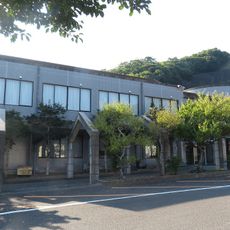
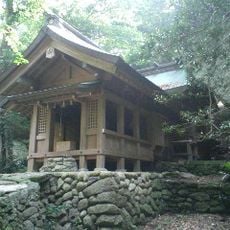
Kannon-ji is a Rinzai-shū Nanzen-ji branch temple in Kozuna, Toyotama-chō, on Tsushima in Nagasaki Prefecture. Its main object of worship is a 50.5 cm gilt-bronze seated Kannon, a Goryeo-dynasty Korean work dated by a votive document inside the statue to February 1330, when it was commissioned by Kaishin and some thirty others.
The temple's bronze seated Kannon, 50.5 cm tall, was made in Goryeo in 1330, as an inscription records, and was probably kept at Buseoksa in Seosan. How it reached Tsushima is unknown; one theory holds that it was acquired through trade after the Joseon dynasty suppressed Buddhism. It was stolen in October 2012, recovered in South Korea, and returned to Kannon-ji on 12 May 2025 after a Korean Supreme Court ruling.
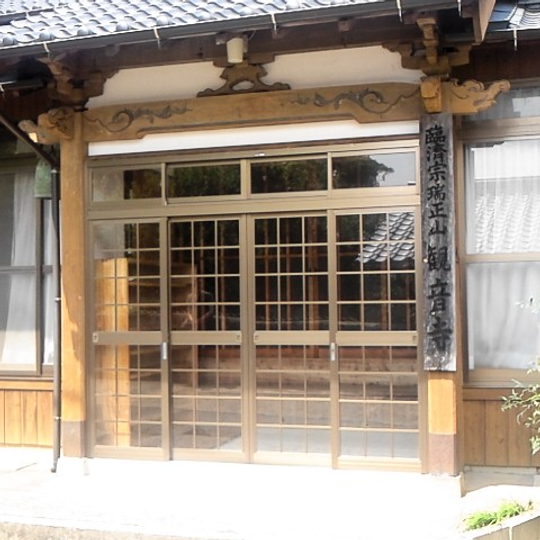
The temple's name is written 観音寺, after the bodhisattva Kannon, and the image at its centre is a 50.5 cm gilt-bronze seated Kannon made in Goryeo Korea in 1330, commissioned by the monk Kaishin and some thirty others. Its inscription names Buseoksa in Seosan, where it is thought to have stood before reaching Tsushima.
The temple is open to visitors daily from sunrise to sunset with no admission fee required. You can explore the temple grounds freely and may witness Buddhist ceremonies if your visit timing coincides with them.
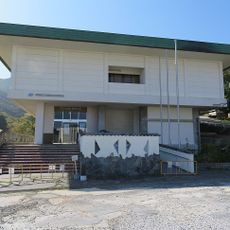
The stolen statue was made in Korea in 1330, as an inscription inside it records: it was commissioned by the monk Kaima and some thirty donors and names the Korean temple Pusoksa. Korean courts returned it to Kannon-ji in 2025, and it is now kept at the Tsushima Museum.
The community of curious travelers
AroundUs brings together thousands of curated places, local tips, and hidden gems, enriched daily by 93,550 contributors worldwide.