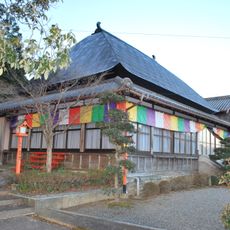
Kannon-ji, Buddhist temple in Tokushima, Japan
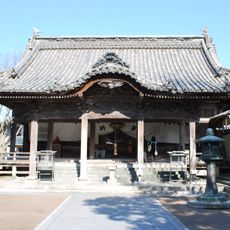
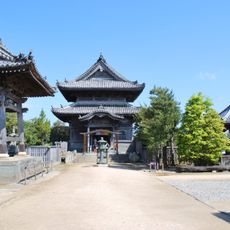
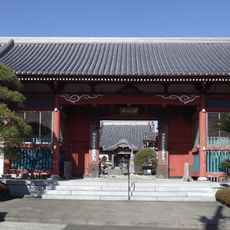
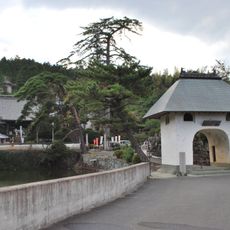
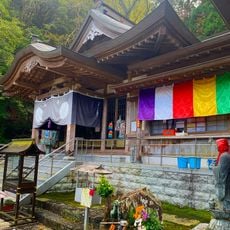
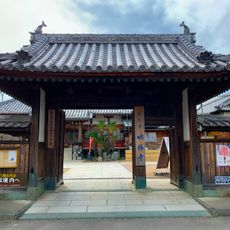
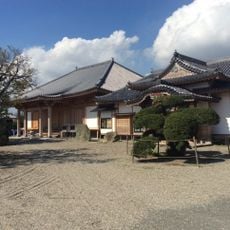
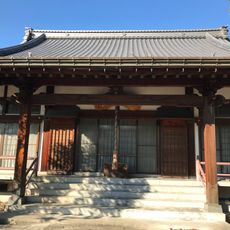
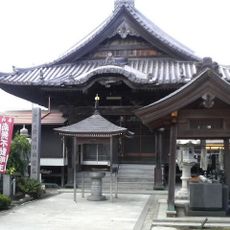
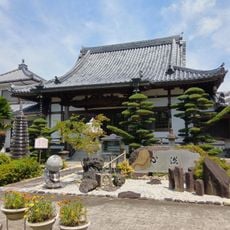
Kannon-ji is a Koyasan Shingon temple in Tokushima, temple 16 of the Shikoku 88 pilgrimage. Its main hall enshrines a standing Senju Kannon flanked by Fudo Myoo and Bishamonten. A two-storey Japanese-style rōmon gate opens onto a compact precinct; the Daishido stands to the right of the main hall, with a Koshin hall and a statue of En no Gyoja to its left.
The temple was founded in the 8th century during the reign of Emperor Shomu, placing it among the older religious sites in the region. After suffering destruction during the Tensho-era conflicts, it was rebuilt during the Manji era.
Kannon-ji sits at the 16th stop on the Shikoku pilgrimage route, a circuit of 88 sacred sites that draws Buddhist pilgrims from across Japan. Walking the grounds, visitors often encounter pilgrims in white robes moving quietly between the main hall and the smaller stone markers along the path.
The temple grounds can be visited freely, and going in the early morning allows you to experience the site before larger groups of pilgrims arrive. Comfortable walking shoes are helpful as the paths between the buildings and garden areas can be uneven.
The temple name is read Kan'on-ji, while the town it stands in, Koku-fu-chō Kan'non-ji, is read Kan'non-ji, a difference in reading that also separates it from Temple 69 in Kan'on-ji City, Kagawa, where the city name is Kan'on-ji and the temple Kan'non-ji. In the main hall hangs an ema offered in 1884 by a woman from Awaji Island who survived her kimono catching fire while drying it at the temple and attributed the escape to remorse for mistreating her mother-in-law.
The community of curious travelers
AroundUs brings together thousands of curated places, local tips, and hidden gems, enriched daily by 94,370 contributors worldwide.