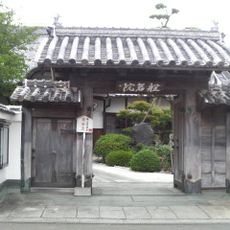
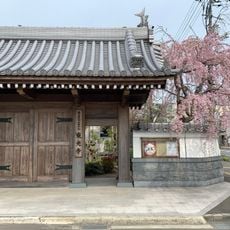
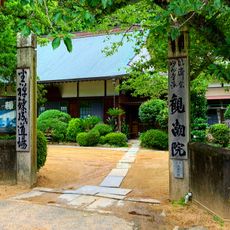
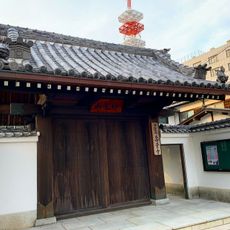
観音寺, Buddhist temple in Seimi-cho, Tokushima, Japan
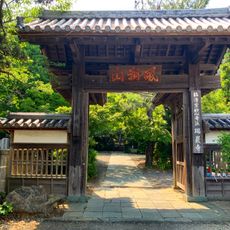
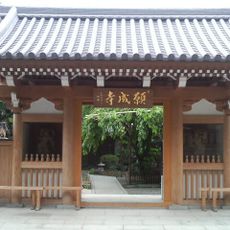
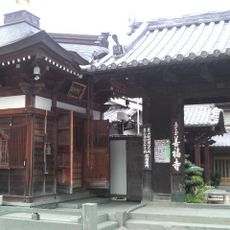
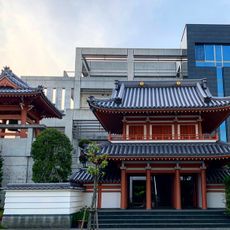
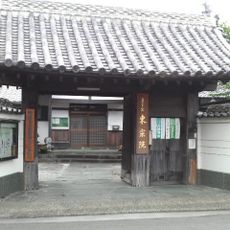
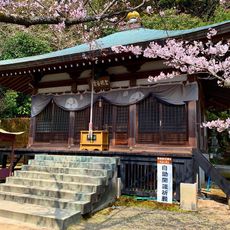
Kannon-ji is a Shingon temple of the Koyasan branch in the Semmi district of Tokushima, with the mountain name Semmi-zan and Senju Kannon as its principal image. Its main hall, built in the lavish Momoyama-period Gongen style, is a Tokushima city-designated cultural property. Behind it, a pond-viewing garden of about 770 square metres uses the slope of Mount Semmi.
Tradition holds that Hachisuka Iemasa moved the temple from Otani to its present site in Genna 2 (1616). The main hall, built in the Momoyama-period Gongen style, was designated a Tokushima City tangible cultural property on 16 November 1970. The garden behind the hall, about 770 square metres, was designated a city scenic spot on 24 August 1972.
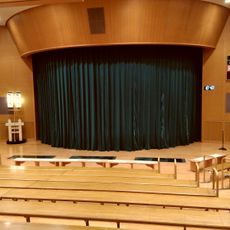
The temple serves as a living center for Buddhist practice, where monks carry out daily routines and use the spaces for prayer and community gatherings that visitors can observe. The rooms are arranged and decorated to reflect the spiritual values that guide daily life here.
The temple is easily reached by public transportation from central Tokushima, with several bus stops located near the grounds. Visitors should wear comfortable shoes, as the site consists of multiple structures spread across the grounds that require walking to explore.
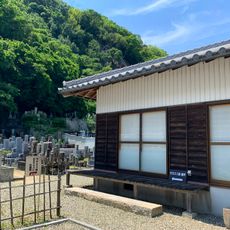
The temple's garden, about 770 square metres, was laid out on the slope of Mount Semii behind the main hall and is a pond-viewing style garden; it was designated a Tokushima City scenic monument on 24 August 1972. The main hall, built in the lavish Momoyama-period Gongen style, received city tangible cultural property status on 16 November 1970.
The community of curious travelers
AroundUs brings together thousands of curated places, local tips, and hidden gems, enriched daily by 93,531 contributors worldwide.