長久寺, Buddhist temple near Hikone Castle, Japan.
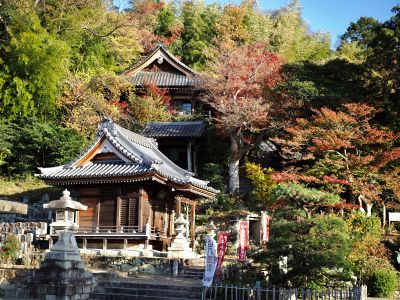
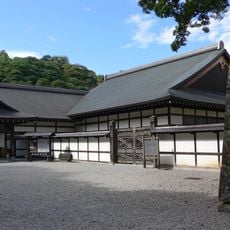
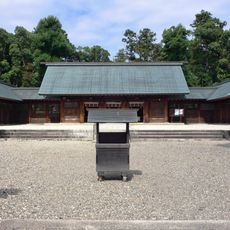
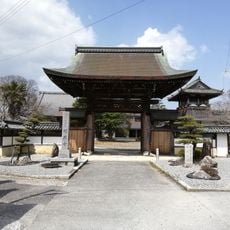
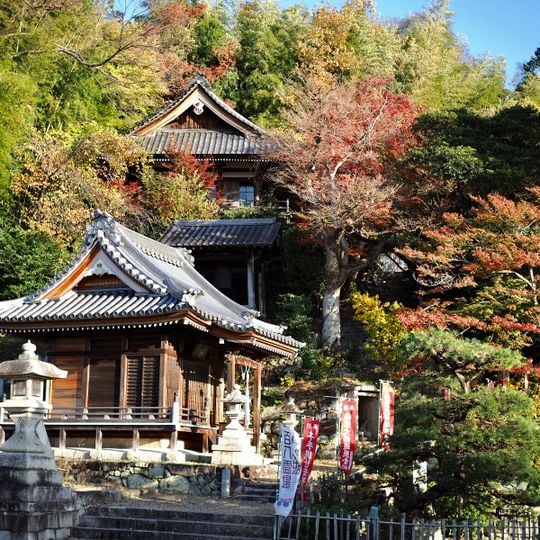
Chokyu-ji temple sits at the base of Hikone Castle with traditional Japanese architecture featuring curved tile roofs and wooden beams. The grounds spread across several levels with multiple buildings, stone lanterns, and quiet courtyards for walking through.
Founded in 1041 under Emperor Go-Sanjō as a prayer temple, Chokyu-ji was originally a Tendai school temple and grew powerful enough to rival the great monasteries of the region. It was devastated by the forces of the Rokkaku and Kyōgoku in 1510, and in 1571 Oda Nobunaga's troops burned its halls during the attack on Mount Hiei. The Ii clan, lords of Hikone Domain, later led its reconstruction under imperial decree, with support from local families such as the Matsuyama, Nishio and Amenomori.
The temple belongs to the Shingon Buzan school and carries the mountain name Fumonzan and the cloister name Joshin-in. Its name comes from the era name of its founding year, Chokyu 2 (1041), when it was established by imperial command as a prayer temple for the empress of Emperor Go-Sanjo. The main hall, the Kannon-do, is a Shiga Prefecture designated cultural property, and Hikone City has designated the wooden Bishamonten and Fudo Myoo standing statues.
The temple grounds are roughly a 20-minute walk from Hikone Station, easily found by following signs toward the castle area. The terrain includes hillside paths, so wearing comfortable shoes makes exploring the full site more pleasant.
The temple name comes from the era name Chōkyū (1041), the year of its founding as a prayer temple for the empress of Emperor Go-Sanjō. Its fortunes later collapsed: troops of the Rokkaku and Kyōgoku burned it in 1510, and Oda Nobunaga's forces destroyed the remaining halls in 1571. The Ii clan of Hikone Domain led its reconstruction under Tokugawa rule.
The community of curious travelers
AroundUs brings together thousands of curated places, local tips, and hidden gems, enriched daily by 94,349 contributors worldwide.